The Chinese ash Plant Advantage: Maximizing Home and Office Appeal and Wellness
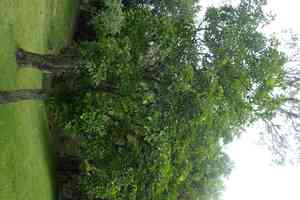
1
Chinese ash enhances ground conditions and fosters ecological equilibrium.
2
Chinese ash foliage is prized for its antioxidative characteristics.
3
Chinese ash serves as an effective method for preventing soil degradation and aiding forest restoration.
How Does Chinese ash Improve Environmental Health?
Soil Enrichment and Stability
A key advantage of Chinese ash is its capacity to enhance soil quality. Its roots penetrate deeply, improving soil structure and promoting better water absorption. This reduces soil compaction, creating a more favorable environment for other plants. Furthermore, its fallen leaves decompose, returning vital nutrients to the soil, acting as a natural fertilizer.
Combatting Soil Erosion
Soil erosion is a major global issue, leading to the loss of fertile topsoil and reduced agricultural output. Chinese ash plays a vital role in preventing this. Its extensive root system anchors the soil, lessening the risk of erosion from wind and water. This is especially beneficial in sloped or hilly regions where erosion is more prevalent.
What Are the Health Benefits of Chinese ash?
Antioxidant Properties
Chinese ash leaves are rich in antioxidants, compounds that help neutralize harmful free radicals in the body. Free radicals can cause oxidative stress, contributing to premature aging and various chronic illnesses. Incorporating Chinese ash leaves into your diet can boost antioxidant intake, promoting overall health. Studies indicate antioxidants support heart health, skin health, and may reduce certain cancer risks.
Anti-Inflammatory Effects
Inflammation is a natural response to injury, but chronic inflammation can lead to numerous health problems, including autoimmune diseases and persistent pain. Chinese ash has demonstrated anti-inflammatory properties, making it useful for managing inflammation-related conditions. While more research is needed, initial studies suggest compounds in Chinese ash can help reduce inflammation and improve general well-being.
How Does Chinese ash Benefit Other Plants and Wildlife?
Enhancing Biodiversity
Chinese ash significantly contributes to biodiversity. By improving soil quality and reducing erosion, it creates a more stable habitat for other plant species. This, in turn, supports a diverse range of wildlife that relies on healthy vegetation for sustenance and shelter. The presence of Chinese ash in an ecosystem can increase biodiversity, making the environment more resilient to changes and disturbances.
Supporting Pollinators
Pollinators like bees and butterflies are essential for the reproduction of many plants, including food crops. Chinese ash provides nectar and pollen, crucial for these pollinators' survival. Planting Chinese ash can help support local pollinator populations, contributing to the health of your garden and surrounding areas. A healthy pollinator population also supports agricultural productivity, vital for food security.
Practical Uses of Chinese ash
Landscaping and Shading
Chinese ash is frequently used in landscaping due to its aesthetic appeal and practical advantages. Its dense canopy offers ample shade, making it an excellent choice for parks and gardens. This shade not only makes outdoor spaces more comfortable but also helps mitigate the urban heat island effect, a common issue in cities. Additionally, the tree's attractive appearance enhances any landscape's visual appeal.
Timber and Wood Products
Chinese ash wood is valued for its durability and strength, making it suitable for various construction and woodworking projects. Its fine grain and appealing color make it a favorite among furniture makers and artisans. Utilizing Chinese ash wood allows for the creation of high-quality, long-lasting products while promoting sustainable forestry practices. Unlike some other woods, Chinese ash can be harvested sustainably, ensuring its benefits continue for future generations.
How Can You Grow Chinese ash in Your Garden?
Soil and Climate Requirements
Chinese ash is relatively simple to cultivate, making it an excellent choice for both new and experienced gardeners. It prefers well-drained soil and can thrive in various soil types, including sandy, loamy, and clay. Regarding climate, Chinese ash adapts to a range of conditions but grows best in temperate regions with moderate rainfall. If uncertain about your soil or climate, a local gardening expert can advise on its suitability for your area.
Planting and Maintenance Tips
To plant Chinese ash, choose a sunny spot with sufficient room for the tree to reach its full size. Dig a hole twice the width of the root ball and equally deep. Position the tree in the hole, ensuring the root collar is level with the ground. Fill the hole with soil and water thoroughly. Consistent watering is crucial during the first few years to establish a strong root system. Once established, Chinese ash requires minimal upkeep, making it a low-effort addition to your garden. Pruning in late winter or early spring can help maintain its shape and health.



