The Leopard plant Plant Advantage: Maximizing Home and Office Appeal and Wellness
1
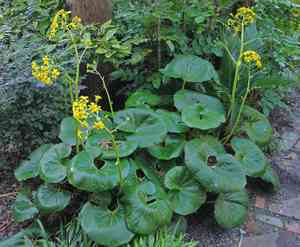
The leopard plant is celebrated for its beautiful leaves, enhancing the visual appeal of outdoor spaces.
2
This plant requires minimal upkeep, making it ideal for gardeners of all skill levels.
3
Leopard plant flourishes in low-light conditions, providing flexibility in garden design.
Why Opt for Leopard Plant in Your Garden?
Visual Appeal
Leopard plant is valued for its stunning, shiny leaves that can introduce a lively burst of color to any garden. Its distinctive leopard-like markings and heart-shaped foliage make it a prominent feature in garden designs. Whether utilized as a ground cover or a potted specimen, Leopard plant can instantly enhance the aesthetic charm of your area.
Effortless Upkeep
A primary benefit of Leopard plant is its minimal care requirements. Unlike other demanding plants that need constant attention, Leopard plant can flourish with little effort. It doesn't require frequent watering and exhibits resistance to many common plant ailments and pests. This makes it an ideal selection for busy individuals or those new to gardening.
How Does Leopard Plant Benefit Shaded Locations?
Flourishes in Dim Light
Many gardeners find it challenging to locate plants that thrive in shaded areas, but Leopard plant is perfectly suited for low-light conditions. It can grow beneath the canopy of larger trees or in the shadow of structures, making it highly adaptable for various garden environments. This versatility ensures that even the darkest corners of your garden can teem with life.
Erosion Prevention
Leopard plant is also effective in preventing soil erosion in shaded or partially shaded spots. Its dense foliage and root system help stabilize the earth, stopping it from washing away during heavy rainfall. This is particularly advantageous for gardens on sloped terrain where erosion can be a significant concern.
Environmental Advantages of Leopard Plant
Air Purification
Like many green plants, Leopard plant contributes to cleaner air by absorbing pollutants and releasing oxygen. Having this plant in your garden or indoor space can improve air quality, making the environment healthier for you and your loved ones. Plants like Leopard plant can absorb toxins such as formaldehyde, benzene, and trichloroethylene from the air, making it safer to breathe.
Wildlife Support
Leopard plant offers a habitat for various small creatures, including insects and birds. Its broad leaves provide shelter, while its flowers attract pollinators such as bees and butterflies. By cultivating Leopard plant, you're not only beautifying your garden but also aiding local wildlife.
What Are the Landscaping Applications of Leopard Plant?
Ground Cover
Leopard plant serves as an excellent ground cover due to its dense, spreading foliage. It can fill in gaps and bare patches in your garden, providing a lush, green carpet that suppresses weeds. This low-growing plant integrates well with other garden elements, creating a unified and visually pleasing landscape.
Container Cultivation
For those with limited garden space, Leopard plant is ideal for container gardening. It grows well in pots and planters, making it suitable for balconies, terraces, and patios. Container gardening allows you to bring the beauty of Leopard plant to even the smallest of spaces.
How to Care for Leopard Plant?
Watering Requirements
Leopard plant prefers consistently damp soil but can endure brief periods of dryness. It is crucial to water the plant regularly, especially during dry spells, to maintain adequate soil moisture. However, ensure that the soil drains well to prevent waterlogging, which can lead to root rot.
Soil and Feeding
Leopard plant thrives in well-drained, rich soil. Incorporating compost or organic matter into the soil can enhance its fertility and structure, providing an optimal environment for the plant's growth. Fertilize Leopard plant moderately with balanced, slow-release fertilizers to encourage abundant foliage without the risk of fertilizer burn.



