The European beech Plant Advantage: Maximizing Home and Office Appeal and Wellness
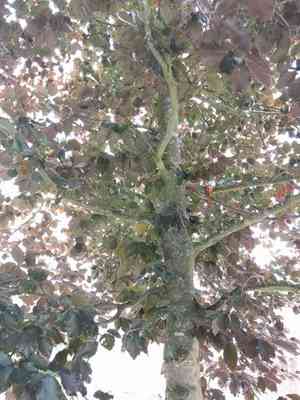
1
European beech is recognized for enhancing soil health through its fallen leaves.
2
European beech offers crucial living space for diverse animal life.
3
The timber from European beech is greatly prized for its robustness and aesthetic appeal.
How Does European beech Enhance Ground Quality?
Fallen Leaf Contribution
European beech generates leaf litter that decomposes into rich, fertile earth. This process enriches the soil with vital nutrients, making it perfect for other plant species to thrive. The organic matter from the leaves improves the soil's structure, fostering better water retention and absorption, which is crucial for a healthy ecosystem.
Root System
The root network of European beech is extensive and helps prevent soil erosion. By stabilizing the ground, the roots ensure that the terrain remains fertile and capable of supporting a diverse array of plant and animal life. Additionally, the roots contribute to improved soil aeration, which aids nutrient uptake and promotes robust plant growth.
What Makes European beech an Ideal Dwelling for Wildlife?
Shelter and Food Source
The dense canopy and thick foliage of European beech offer excellent refuge for numerous birds, insects, and small mammals. These creatures depend on the plant for protection from predators and harsh weather conditions. Moreover, the seeds and leaves serve as a crucial food source, sustaining wildlife through various seasons.
Biodiversity Promotion
European beech supports a high level of biological diversity. Its presence fosters a balanced ecosystem where different species can coexist harmoniously. This biodiversity is essential for ecological stability, ensuring that natural processes such as pollination and seed dispersal occur efficiently.
The Economic and Aesthetic Value of European beech
Timber and Wood Products
The wood of European beech is highly valued for its strength, durability, and visual appeal. It is widely utilized in furniture manufacturing, flooring, and other woodworking crafts. The fine grain and rich color of the timber make it a favorite among artisans and designers. Its economic worth extends to the forestry industry, where it is sustainably harvested to meet market demands.
Landscape and Recreational Use
European beech is a popular choice for landscaping and recreational areas due to its majestic appearance and lush foliage. Parks and gardens often feature this plant to create serene and visually pleasing environments. Its shade and aesthetic qualities make outdoor spaces more inviting, promoting relaxation and recreational activities among visitors.
Environmental Benefits Beyond Soil and Habitat
Air Quality Improvement
European beech plays a significant role in enhancing air quality by absorbing carbon dioxide and releasing oxygen. This process helps mitigate the effects of air pollution and contributes to a healthier atmosphere. The foliage also traps dust and pollutants, further purifying the air in its vicinity.
Climate Regulation
The presence of European beech contributes to climate regulation by providing shade and reducing temperatures in its immediate surroundings. This cooling effect is particularly beneficial in urban areas, where heat islands can raise local temperatures. Additionally, the plant helps in moderating microclimates, making regions more conducive for various forms of life.
Cultural and Historical Significance of European beech
Historical Uses
European beech has been an integral part of various cultural and historical contexts. In many regions, it has been used in traditional practices, from building materials to symbolism in folklore and mythology. Its longevity and resilience make it a symbol of strength and endurance in numerous cultures.
Modern-Day Relevance
Today, European beech continues to hold relevance not only for its ecological benefits but also for its contribution to cultural heritage and identity. Communities that live near European beech forests often have a strong connection to the plant, celebrating its presence through festivals and conservation efforts. This cultural appreciation ensures that European beech is protected and cherished for future generations.



