The Spotted Joe-Pye weed Plant Advantage: Maximizing Home and Office Appeal and Wellness
1
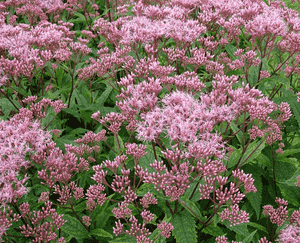
Spotted Joe-Pye weed provides sustenance for pollinators like bees and butterflies.
2
This species flourishes in damp, sun-drenched habitats.
3
Spotted Joe-Pye weed enhances any garden with its impressive height and colorful blooms.
Key Advantages of Spotted Joe-Pye Weed
Ecological Contributions
A primary benefit of Spotted Joe-Pye weed is its capacity to bolster local ecosystems. This plant is known to draw in various pollinators, including bees, butterflies, and other beneficial insects. This not only aids in the pollination of nearby flora but also supports regional biodiversity. Furthermore, Spotted Joe-Pye weed can offer shelter and sustenance for certain bird species, making it a valuable addition for wildlife gardeners.
Visual Appeal
Spotted Joe-Pye weed is celebrated for its towering stems and striking, purple-pink blossoms that emerge in late summer. These characteristics make it an excellent option for introducing height and color to garden beds and borders. It can serve as a focal point in a garden or help establish a naturalistic meadow. The plant's distinctive look can elevate the garden's overall beauty, making it a favorite among landscape designers and home gardeners alike.
Growing Spotted Joe-Pye Weed in Your Garden
Optimal Growth Conditions
Spotted Joe-Pye weed flourishes in damp, well-drained soils and prefers full sun to partial shade. It is particularly well-suited for areas near ponds, streams, or other water sources due to its affinity for moisture. However, it can also endure occasional dry spells once established. Ensuring the plant receives adequate sunlight will encourage vigorous growth and abundant flowering.
Planting and Care Guidelines
When planting Spotted Joe-Pye weed, space the plants approximately 3 to 4 feet apart to accommodate their mature size. This plant requires minimal upkeep beyond consistent watering, especially during dry periods. Applying mulch around the base can help retain moisture and suppress weeds. Trimming back the stalks in late fall or early spring will stimulate new growth and maintain the plant's form. Additionally, dividing the plant every few years can help prevent overcrowding and promote robust growth.
Why Spotted Joe-Pye Weed is a Sustainable Option
Environmental Benefits
Opting to cultivate Spotted Joe-Pye weed is an eco-friendly choice. This plant is a perennial, meaning it will return annually without the need for replanting, which reduces waste and labor. Its ability to thrive in wet, marshy areas can also prevent soil erosion and enhance water quality by filtering pollutants. Moreover, the plant's attraction to pollinators improves the overall health of the garden ecosystem.
Low Maintenance Needs
Spotted Joe-Pye weed is a resilient plant that demands minimal care once established. Its low maintenance requirements make it a practical choice for gardeners seeking to reduce the time and effort spent on upkeep. The plant's resistance to pests and diseases further contributes to its sustainability, as it lessens the need for chemical interventions. By choosing Spotted Joe-Pye weed, gardeners can create a beautiful, low-impact landscape that supports local wildlife and fosters ecological balance.
Spotted Joe-Pye Weed in Landscape Design
Design Applications
Given its unique height and vibrant blooms, Spotted Joe-Pye weed is a versatile plant for landscaping projects. It can be used to create stunning backdrops for shorter plants or to line pathways and garden borders. The plant's tall stature makes it ideal for adding vertical interest to garden designs. It can also be incorporated into rain gardens or naturalized areas to enhance biodiversity and aesthetic appeal.
Companion Planting
Spotted Joe-Pye weed pairs well with other moisture-loving plants such as ferns, hostas, and marsh marigolds. Its late summer blooms can complement the flowering schedule of other plants, ensuring continuous color in the garden. Additionally, its ability to attract pollinators makes it an excellent companion plant for fruits and vegetables that require pollination. By carefully selecting plants that thrive in similar conditions, gardeners can create a harmonious and visually appealing garden layout.



