The African bush daisy Plant Advantage: Maximizing Home and Office Appeal and Wellness
1
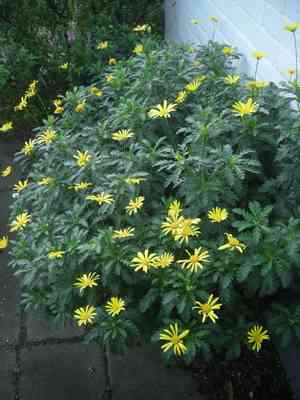
This botanical specimen flowers abundantly, offering continuous vibrancy to landscapes.
2
It withstands dry conditions and needs little irrigation after it's rooted.
3
It draws in beneficial insects such as bees and butterflies, boosting ecological variety.
Why Select African Bush Daisy for Your Garden?
Aesthetic Appeal
A primary reason gardeners cherish African bush daisy is its striking look. The plant is adorned with vibrant yellow, daisy-like blossoms that contrast beautifully with its green foliage, making it a focal point in any garden. These flowers not only add a burst of color but also bloom year-round, ensuring your garden stays lively regardless of the season.
Minimal Upkeep Requirements
Another significant advantage of African bush daisy is its low maintenance demands. This plant exhibits strong resistance to pests and diseases, simplifying its care compared to more delicate varieties. Its tolerance to drought means it needs minimal watering, making it an ideal option for areas with water restrictions or for gardeners aiming to conserve water.
Ecological Advantages of African Bush Daisy
Pollinator Support
The African bush daisy plays a vital role in sustaining local pollinator populations. Its blossoms are rich in nectar, drawing in bees, butterflies, and other beneficial insects. By cultivating African bush daisy in your garden, you can help foster biodiversity and support these crucial creatures.
Soil Enhancement
Beyond attracting pollinators, African bush daisy can also improve soil health. Its root system aids in preventing soil erosion, and its presence can boost soil fertility over time. By integrating this plant into your garden, you're not only adding beauty but also contributing to the long-term vitality of your soil.
How to Cultivate and Care for African Bush Daisy
Optimal Growing Conditions
African bush daisy flourishes in full sun but can endure partial shade. It prefers well-draining soil and can adapt to various soil types, making it versatile for different garden environments. While it is drought-tolerant, providing occasional deep watering can help encourage robust growth.
Pruning and Maintenance Advice
Regular trimming can help maintain the plant's form and health. Removing spent flowers will promote continuous blooming and prevent the plant from becoming too sparse. It's also beneficial to apply mulch around the plant's base to retain moisture and reduce weed competition.
Can African Bush Daisy Be Grown in Pots?
Container Gardening Fundamentals
Yes, African bush daisy can be successfully grown in containers, making it an excellent choice for compact spaces like balconies or patios. Ensure the container has adequate drainage and use a high-quality potting mix. Consistent feeding with a balanced fertilizer can help sustain the plant in a container environment.
Benefits of Container Cultivation
Growing African bush daisy in containers offers flexibility and portability. You can easily relocate the plants to ensure they receive sufficient sunlight or to shield them from harsh weather. Container gardening also allows for more precise control over soil conditions, fostering healthier growth.
Common Issues and Solutions
Managing Pests
While African bush daisy is generally pest-resistant, it's not entirely immune. Occasionally, you might encounter aphids or spider mites. Regular inspection and the use of organic pest control methods, such as neem oil or insecticidal soap, can help manage these problems effectively.
Addressing Growth Concerns
If your African bush daisy isn't thriving, consider evaluating its growing conditions. Ensure it receives ample sunlight and that the soil drains properly. Overwatering or poor soil drainage can lead to root rot, so striking a balance is crucial. If the plant appears leggy, more pruning might be necessary to encourage denser growth.



