The White wood aster Plant Advantage: Maximizing Home and Office Appeal and Wellness
1
White wood aster is a hardy plant that flourishes in diverse environments, making it ideal for novice gardeners.
2
This species is recognized for its lovely white blossoms that appear in late summer and autumn, enhancing the aesthetic of any garden.
3
Draws in helpful pollinators such as bees and butterflies, fostering a more robust ecosystem.
How Does White wood aster Improve Your Garden?
Visual Appeal
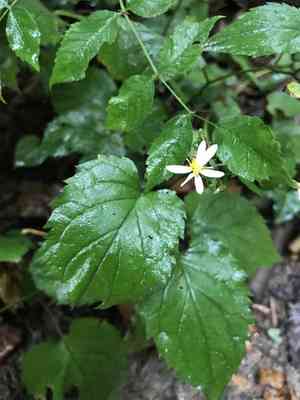
A primary reason to consider cultivating White wood aster is its visual charm. Its delicate white blossoms, appearing from late summer to autumn, offer a striking contrast against its dark green leaves. This creates a stunning visual effect that can enhance any garden area. Furthermore, its capacity to form dense groupings makes it an excellent option for ground cover, adding texture and depth to your garden.
Minimal Care Requirements
Unlike many other flowering species, White wood aster demands little attention to flourish. It readily adapts to various soil types, including sandy and clay. Moreover, once rooted, it tolerates drought and resists most pests and diseases. This makes it a low-effort choice suitable for both experienced gardeners and beginners alike.
What Environmental Advantages Does White wood aster Provide?
Pollinator Attraction
White wood aster acts as a magnet for beneficial pollinators, such as bees, butterflies, and other insects. These pollinators are vital for maintaining healthy ecosystems by assisting in plant reproduction. By drawing in these creatures, White wood aster helps ensure the proliferation of plant species in your garden and beyond.
Soil Enrichment
Another environmental benefit of growing White wood aster is its positive influence on soil quality. The plant's root system aids in preventing soil erosion by stabilizing the ground. Additionally, as the plant decays, it contributes organic matter to the soil, enriching it with essential nutrients needed for other plants to thrive.
Why Opt for White wood aster in Landscaping?
Adaptability
White wood aster is highly versatile for landscaping purposes. Whether you aim to create a natural woodland garden, a border plant, or even a container plant, White wood aster integrates seamlessly into various garden designs. Its ability to adjust to different conditions means you can plant it in shaded spots, beneath trees, or in more exposed garden areas.
Wildlife Support
Beyond its visual and ecological benefits, White wood aster also offers a habitat for diverse wildlife. For instance, its dense foliage provides refuge for small animals, while its nectar-rich flowers serve as a food source for pollinators. Planting White wood aster thus contributes to fostering a balanced and thriving mini-ecosystem in your garden.
How to Successfully Grow White wood aster?
Optimal Growing Conditions
For best growth, plant White wood aster in an area receiving partial to full shade. Although it adapts to various soil types, incorporating organic compost into the planting site can boost growth. Water the plant regularly during its initial growth phase but gradually reduce watering once it becomes established.
Propagation Methods
Propagating White wood aster is relatively simple. The plant can be divided in spring or fall, allowing you to create multiple plants from an existing one. Alternatively, you can cultivate White wood aster from seeds. If you choose this method, ensure the seeds are stratified for a few weeks before planting to improve germination rates.



