The Cliff spurge Plant Advantage: Maximizing Home and Office Appeal and Wellness
1
Cliff spurge thrives in challenging conditions, making it perfect for dry landscapes.
2
This plant offers crucial shelter and sustenance for native animals, such as birds and bugs.
3
It possesses ground-anchoring qualities that stop soil loss on rocky shores and coasts.
Why Plant Cliff Spurge?
Resilience in Tough Environments
A primary reason to cultivate Cliff spurge is its remarkable capacity to flourish in challenging conditions. This species is well-suited for arid and rocky habitats, where many other plants would struggle. Its drought resistance makes it an excellent option for xeriscaping, aiding in water conservation in dry regions.
Support for Local Wildlife
Beyond its visual appeal, Cliff spurge plays a vital role in sustaining local fauna. Its blossoms and seeds offer crucial sustenance for various birds and insects, fostering a healthier and more vibrant ecosystem. This plant can also provide refuge and nesting spots, enhancing biodiversity in your garden or natural space.
Environmental Advantages of Cliff Spurge
Soil Stabilization
Erosion can be a significant issue in coastal and rocky areas. Fortunately, Cliff spurge is recognized for its soil-binding qualities. Its extensive root system helps secure the soil, preventing erosion and safeguarding the landscape from degradation. Planting Cliff spurge in vulnerable zones can improve soil health and stability.
Carbon Absorption
While Cliff spurge might not be the first plant considered for carbon sequestration, it still contributes positively to this process. By absorbing carbon dioxide during photosynthesis, Cliff spurge helps lessen the impacts of climate change. Incorporating this plant into your landscaping can be a small yet meaningful step towards a greener, more sustainable environment.
Cultivating Cliff Spurge in Your Garden
Ideal Growing Conditions
To successfully grow Cliff spurge, understanding its preferred growing conditions is crucial. This plant thrives in well-drained soil and requires full sunlight to prosper. It tolerates various soil types, from sandy to rocky, making it adaptable for different garden settings. Watering should be minimal once established, consistent with its drought-tolerant nature.
Propagation Techniques
Propagating Cliff spurge can be done using seeds or cuttings. When using seeds, it's best to sow them in a well-drained seed mix and ensure adequate light and warmth. Cuttings, conversely, should be taken during the growing season and allowed to harden before planting. With patience and care, you can successfully propagate and expand your Cliff spurge collection.
Aesthetic Contributions of Cliff Spurge
Distinctive Visual Charm
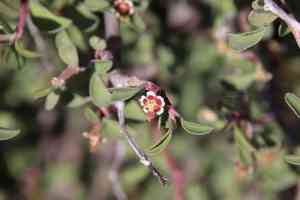
Aesthetically, Cliff spurge adds a unique appeal to any garden. Its succulent foliage and striking flowers provide year-round visual interest. The plant's compact and bushy growth habit makes it suitable for rock gardens, borders, and containers. Its unique look can serve as a focal point or complement other plants in a diverse garden setting.
Seasonal Highlights
Throughout the year, Cliff spurge undergoes various transformations that add dynamic beauty to your landscape. In spring and summer, its blooms attract pollinators and add a burst of color. During colder months, its evergreen foliage maintains visual interest. This plant's ability to offer seasonal highlights makes it a versatile and lasting choice for garden enthusiasts.



