The Mediterranean spurge Plant Advantage: Maximizing Home and Office Appeal and Wellness
1
Ideal for arid and drought-tolerant landscapes.
2
Exhibits strong resilience against common pests and ailments.
3
Offers continuous aesthetic appeal throughout the year due to its prominent leaves and blooms.
Benefits of Selecting Mediterranean Spurge for Your Garden
Thrives in Arid Environments
A key characteristic of Mediterranean spurge is its remarkable capacity to flourish in dry conditions. This makes it an excellent choice for xeriscaping, a landscaping approach aimed at reducing or eliminating the need for irrigation. Hailing from the Mediterranean region, it is perfectly suited for hot, dry climates, offering a sustainable option for gardeners mindful of water usage.
Resistance to Pests and Diseases
Another significant advantage of Mediterranean spurge is its strong immunity to pests and illnesses. This reduces the necessity for chemical treatments, fostering a healthier, more environmentally friendly garden. Its inherent hardiness also means less upkeep and more time enjoying your outdoor space.
Visual Appeal of Mediterranean Spurge
Distinctive Foliage and Blooms
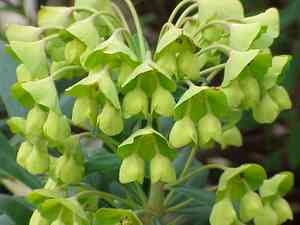
Mediterranean spurge presents a unique visual charm with its striking, blue-green leaves and clusters of vibrant flowers. The plant develops dense, evergreen foliage that captures light, creating captivating displays throughout the year. Its flower heads emerge from late winter to early spring, providing a splash of color when most other plants are still dormant.
Year-Round Visual Interest
Even when not in bloom, Mediterranean spurge offers continuous visual appeal. Its architectural form and textured leaves add depth and dimension to any garden area. This makes it a valuable addition to both decorative gardens and more naturalistic landscapes.
Integrating Mediterranean Spurge into Your Landscape Design
Companion Planting Strategies
Mediterranean spurge pairs beautifully with other drought-tolerant plants such as lavender, rosemary, and ornamental grasses. These companions not only enhance its aesthetic but also share similar growth requirements, making them low-maintenance and eco-friendly choices. By incorporating Mediterranean spurge into your garden plan, you cultivate a cohesive and resilient plant community that thrives in challenging conditions.
Utilizing Mediterranean Spurge in Diverse Garden Styles
Mediterranean spurge is adaptable enough for various garden styles, from modern and minimalist to rustic and Mediterranean. Its bold shape and distinct textures integrate well into contemporary designs, while its natural drought resistance aligns perfectly with sustainable gardening practices. Use Mediterranean spurge as a focal point in rock gardens, mixed borders, or container gardens to maximize its unique allure.
Successful Cultivation Tips for Mediterranean Spurge
Soil and Planting Requirements
For optimal results, plant Mediterranean spurge in soil that drains well. While it can endure poor soil, improving drainage by adding grit or organic matter like compost is recommended. Full sun exposure is ideal, though it can tolerate partial shade. Space plants approximately 1 to 2 feet apart to allow for full growth and air circulation.
Watering and Nutrient Application
After planting, water Mediterranean spurge thoroughly to establish its root system. Once established, it needs minimal watering due to its drought-tolerant nature. Over-watering can lead to root rot, so it's crucial to let the soil dry out between watering sessions. Fertilization is rarely necessary, but a light application of balanced fertilizer in early spring can encourage robust growth.
Common Inquiries Regarding Mediterranean Spurge Cultivation
How to Propagate Mediterranean Spurge?
Mediterranean spurge can be propagated from seeds or cuttings. The most effective method involves taking cuttings in late spring or early summer. Allow the cut ends to dry and form a callus before planting them in a well-draining soil mix. Water sparingly until new growth appears.
Optimal Winter Conditions for Mediterranean Spurge?
Mediterranean spurge is relatively frost-tolerant but may benefit from mulch or a protective covering in extremely cold conditions. Ensure the plant is in well-draining soil to prevent waterlogged roots during winter rains.



