The American Strawberry bush Plant Advantage: Maximizing Home and Office Appeal and Wellness
1
The American Strawberry bush offers superb living conditions for local fauna.
2
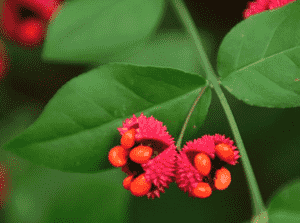
The bright berries of the American Strawberry bush add aesthetic value to outdoor spaces.
3
The American Strawberry bush requires minimal upkeep, making it an ideal choice for residential gardens.
Why Consider Adding American Strawberry Bush to Your Garden?
Supports Local Wildlife
The American Strawberry bush is well-known for offering an excellent environment for various animal species. Its dense leaves provide good shelter for small birds and creatures, while its bright red berries attract a range of birds, butterflies, and even deer. By planting this bush, you contribute to local biodiversity, aiding both migrating and resident species.
Easy to Care for and Hardy
A key benefit of the American Strawberry bush is its ability to thrive with minimal upkeep. This means less time spent on watering, fertilizing, and trimming, allowing you to enjoy your garden without constant effort. It adapts well to different soil types and light conditions, making it a tough and adaptable option for various garden settings.
What Makes American Strawberry Bush Visually Appealing?
Vibrant and Distinctive Fruits
The unique fruit of the American Strawberry bush is undoubtedly one of its most attractive qualities. The bright red, strawberry-like capsules not only add a splash of color but are also visually striking throughout the autumn months. This distinct look makes the American Strawberry bush an excellent choice for adding year-round interest to your landscape design.
Foliage Beauty All Year
American Strawberry bush features green leaves that remain attractive throughout the growing season. In the fall, the leaves may change to a beautiful red hue, offering a dynamic landscape that enhances your garden's seasonal charm. This consistent appeal ensures the plant remains a focal point in your garden regardless of the time of year.
How Does American Strawberry Bush Benefit Soil and the Environment?
Erosion Prevention
American Strawberry bush possesses a well-developed root system that helps stabilize the ground, making it effective for preventing erosion. When planted on inclines or in areas prone to soil degradation, it can significantly reduce soil loss by anchoring the earth with its extensive root network.
Enhances Soil Quality
The plant's fallen leaves are highly organic, breaking down to enrich the soil with vital nutrients. This natural mulching process improves soil structure and fertility, benefiting not only the American Strawberry bush but also nearby plants. Better soil quality promotes healthier plant growth, further establishing it as a valuable garden addition.
Can American Strawberry Bush Be Integrated into Various Garden Designs?
Ideal for Naturalistic Gardens
American Strawberry bush blends perfectly into naturalistic garden designs, where the aim is to mimic natural landscapes. Its informal growth habit and wildlife-friendly attributes make it a great choice for gardens that seek to provide a habitat for local flora and fauna while maintaining an organic aesthetic.
Excellent for Mixed Shrub Borders
Including American Strawberry bush in mixed shrub borders adds visual complexity. Its unique fruits and vibrant foliage can create an interesting contrast with other plants in the border, offering a dynamic and engaging garden design. The plant's hardiness also ensures it thrives alongside a variety of neighboring species.
How to Plant and Care for American Strawberry Bush Effectively?
Optimal Planting Conditions
For successful planting, choose a spot with well-draining soil and partial to full shade, though it can also tolerate full sun. Dig a hole twice the width of the root ball and as deep as the root system to allow ample space for establishment. Mulch around the base to retain moisture and suppress weeds.
Regular Care and Trimming
While American Strawberry bush is low-maintenance, occasional care will help it flourish. Water moderately during dry periods and apply a balanced fertilizer in early spring to support growth. Prune any dead or damaged branches in late winter to maintain a healthy structure and encourage new growth in the spring.



