The Burning bush Plant Advantage: Maximizing Home and Office Appeal and Wellness
1
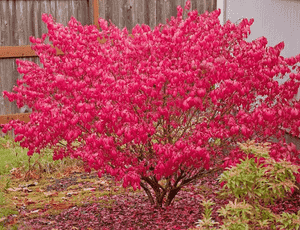
Euonymus alatus improves garden aesthetics through its vibrant autumn leaves.
2
This hardy shrub thrives in diverse soil and environmental settings, simplifying cultivation.
3
Burning bush offers refuge and sustenance to native animals, benefiting the local environment.
Why is Euonymus alatus Favored by Gardeners?
Aesthetic Appeal of Euonymus alatus
Euonymus alatus is celebrated for its striking crimson foliage that appears in autumn, transforming outdoor spaces into vibrant displays of color. This visual spectacle makes it a preferred choice among homeowners and landscapers seeking to add a touch of dramatic flair to their properties. The contrast between the bright red leaves and surrounding greenery creates a breathtaking effect that enhances any area's beauty.
Versatility and Ease of Cultivation
A key reason gardeners appreciate Euonymus alatus is its capacity to thrive in various soil types and environmental conditions. Whether planted in full sun or partial shade, it flourishes with minimal upkeep. Its tolerance to different pH levels and soil textures makes it a low-maintenance option that rewards its caretakers with stunning visual displays annually. For gardening novices or those with less-than-ideal soil, Euonymus alatus is an excellent, trouble-free selection.
What are the Environmental Benefits of Euonymus alatus?
Supporting Local Wildlife
Beyond its visual charm, Euonymus alatus plays a vital role in supporting local wildlife. Its dense foliage offers refuge for birds and small mammals, providing shelter and protection from predators. Additionally, the plant produces small, reddish-orange berries that serve as a food source for various birds, contributing to the local ecosystem and fostering biodiversity.
Erosion Prevention
Another significant ecological advantage of Euonymus alatus is its capacity to prevent soil erosion. With its extensive root system, it helps stabilize the soil, reducing the likelihood of erosion, particularly on slopes and in areas prone to heavy rainfall. This soil-binding ability not only safeguards the landscape but also maintains the integrity of gardens and natural habitats.
How to Care for Euonymus alatus?
Watering and Soil Needs
While Euonymus alatus is low-maintenance, proper care ensures it flourishes and reaches its full potential. It prefers well-drained soil but adapts to various soil types. Moderate watering during its establishment phase is crucial, but once mature, it is quite drought-tolerant. Regular mulching helps retain moisture and improve soil quality.
Pruning and Upkeep
Pruning helps maintain Euonymus alatus's form and promotes vigorous growth. It's best to prune in late winter or early spring before new growth emerges. Removing dead or diseased branches also prevents potential issues and keeps the plant looking its best. Fertilizing is generally not required, but a balanced, slow-release fertilizer can be applied in early spring if desired.
Is Euonymus alatus Suitable for Your Garden?
Climate Suitability
Euonymus alatus is well-suited for USDA hardiness zones 4 to 8, making it adaptable to a range of climates. It can endure cold winters and hot summers, though extreme weather outside these zones may impact its growth and health. Assessing your local climate conditions is essential before introducing Euonymus alatus to your garden.
Design and Placement Considerations
When considering Euonymus alatus for landscape design, account for its mature size and growth habit. It can reach heights of up to 15 feet with a spread of about 10 feet, so ensure ample space for it to thrive. Planting it as a hedgerow, in mixed borders, or as a solitary specimen can create stunning visual compositions. Remember the seasonal changes to maximize its visual impact throughout the year.



