The River red gum Plant Advantage: Maximizing Home and Office Appeal and Wellness
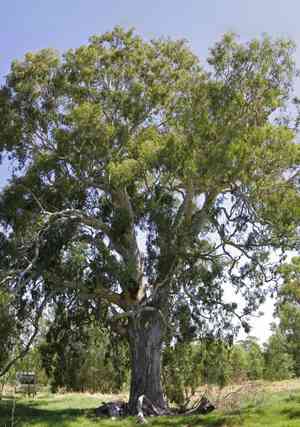
1
Eucalyptus camaldulensis possesses notable antimicrobial qualities, offering defense against diverse disease-causing agents.
2
This adaptable tree is highly valued by experienced wood craftsmen for its robust wood.
3
Eucalyptus camaldulensis aids in securing soil and is vital in averting land degradation.
Ecological Advantages of River red gum
How Does River red gum Enhance Soil Quality?
River red gum plays a key role in soil health through its extensive root network, which aids in soil stabilization. These roots diminish soil erosion by anchoring the soil firmly, particularly in areas prone to flooding. Moreover, River red gum boosts soil fertility by improving nutrient cycling with its fallen leaves, enriching the soil with vital minerals.
Why Are River red gum Trees Crucial for Biological Diversity?
River red gum trees act as an ecological sanctuary for various bird, insect, and mammal species. Their thick canopy and dense foliage offer ample refuge and food sources, supporting rich biodiversity. Furthermore, the nectar produced by its blossoms is a vital food source for pollinators, playing a critical role in maintaining ecosystem equilibrium.
Economic and Practical Applications of River red gum
What Makes River red gum Wood a Preferred Option in Carpentry?
The timber from River red gum is celebrated for its strength and longevity, making it an excellent choice for furniture, flooring, and construction. Its resistance to pest infestations and decay further enhances its value, ensuring extended use. Additionally, the fine grain and distinct coloration of the wood make it visually appealing for various design projects.
How Is River red gum Utilized in Landscape Design and Urban Planning?
River red gum is increasingly favored in landscaping and urban planning due to its resilience and adaptability. It can flourish in diverse soil types and climates, making it suitable for decorative plantings in parks, gardens, and roadside green spaces. Its capacity to provide ample shade and improve air quality adds to the aesthetic and environmental appeal of urban green areas.
Health and Wellness Benefits of River red gum
What Are the Antimicrobial Properties of River red gum?
River red gum is recognized for its potent antimicrobial characteristics, thanks to the bioactive compounds present in its leaves and essential oils. These properties can be harnessed in various non-medical applications, such as natural cleaning products and antiseptic solutions that help reduce the spread of pathogens in home and public environments.
Can River red gum Improve Air Quality?
River red gum significantly contributes to better air quality by absorbing pollutants like carbon dioxide and releasing oxygen. The volatile compounds emitted by its leaves can also neutralize airborne bacteria and fungi, creating a healthier atmosphere in both natural and urban settings. In arid regions, River red gum helps in reducing dust levels by capturing particulates with its dense foliage.



