The Giant White Fawn lily Plant Advantage: Maximizing Home and Office Appeal and Wellness
1
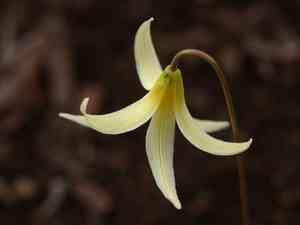
The Giant White Fawn lily is a beautiful decorative plant that enhances any garden's appeal.
2
Draws in pollinators such as bees and butterflies, boosting ecological variety.
3
Offers various uses in garden planning and landscape architecture.
Why Incorporate Giant White Fawn Lily into Your Garden?
Visual Allure
Giant White Fawn lily is celebrated for its striking, white blooms that emerge in spring, creating a visually captivating spectacle in any garden. The delicate, lily-like flowers not only add a touch of sophistication but also serve as a focal point in landscape designs. Unlike more common garden flora, Giant White Fawn lily offers a distinctive and eye-catching appearance that can elevate your garden's uniqueness.
Pollinator Support
Another compelling reason to include Giant White Fawn lily in your garden is its role in attracting beneficial pollinators such as bees and butterflies. These pollinators are crucial for your garden's health, as they aid in the pollination process, leading to the successful growth of various plants. By providing a habitat that supports these creatures, you contribute to the broader ecosystem.
Design Versatility
Giant White Fawn lily is remarkably adaptable and can be utilized in various garden settings, from woodland gardens to formal landscaping. Its natural habitats are shaded, forested areas, making it an ideal candidate for parts of your garden that do not receive full sunlight. Whether you're aiming to create a tranquil woodland retreat or add intrigue to a more structured garden layout, Giant White Fawn lily fits the bill perfectly.
What Makes Giant White Fawn Lily Simple to Care For?
Minimal Upkeep Needs
One of the prominent features of Giant White Fawn lily is its minimal maintenance requirements. Once established, this plant generally needs little intervention, making it perfect for gardeners of all experience levels. It is resistant to many common pests and diseases, freeing you from the constant monitoring and treatment that other, more delicate plants demand. Simply ensure it receives adequate moisture and some shade, and it will flourish.
Adaptable Growth
Giant White Fawn lily is adaptable to a range of soil conditions, though it prefers well-drained, humus-rich soils. This adaptability makes it a viable option for different garden types and ensures that you won't need specialized soil preparations to cultivate it. Its ability to grow in diverse environments also means that integrating it into your garden can be a stress-free process.
Propagation Advice
Regarding propagation, Giant White Fawn lily can be propagated by seed or by division. If you prefer to grow it from seed, sow the seeds in late summer or early autumn directly into the garden bed where you wish them to grow. For division, it's best to divide the bulbs after the flowering period in late summer. This method can be particularly useful if you want to increase your stock of Giant White Fawn lily quickly.
Optimal Placement for Giant White Fawn Lily in Your Garden
Woodland Settings
Giant White Fawn lily thrives in shaded and semi-shaded areas, making it an excellent choice for woodland gardens. Plant it among other woodland species to create a naturalistic environment that mimics its native habitat. The contrast between the white flowers and the darker green foliage of other woodland plants can create a visually stunning display.
Border Edges
For those with more formal gardens, Giant White Fawn lily works well in border plantings. Position it along the edges of paths or garden beds to create an elegant transition between different garden sections. The soft, white flowers can act as a neutral ground, harmonizing with the more colorful blossoms of other border plants.
Group Plantings
Mass planting of Giant White Fawn lily can provide a breathtaking visual effect, particularly when the flowers are in full bloom. Consider planting them in large clusters in open areas of your garden. This approach not only enhances the aesthetic appeal but also strengthens the ecological impact, creating a larger habitat for pollinators and other wildlife.
Resolving Common Issues with Giant White Fawn Lily
Addressing Overcrowding
Although Giant White Fawn lily is fairly low-maintenance, overcrowding can become an issue if the plants are left unattended for too long. Overcrowded plants may compete for nutrients and water, leading to reduced flowering and stunted growth. To address this, regularly divide and replant the bulbs to ensure each plant has sufficient space to thrive.
Ensuring Proper Drainage
Giant White Fawn lily prefers well-drained soil and may suffer if left in waterlogged conditions. If you notice yellowing leaves or stunted growth, poor drainage could be the culprit. Improve soil drainage by mixing organic matter like compost into the garden bed. Avoid planting Giant White Fawn lily in areas prone to standing water, and consider using raised beds if necessary.



