The Coral bean Plant Advantage: Maximizing Home and Office Appeal and Wellness
1
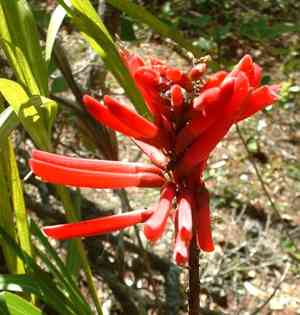
Coral bean is recognized for its vibrant red blooms and decorative charm.
2
Coral bean serves as an effective natural barrier because of its thick, spiny form.
3
This plant has historically found use in diverse practical contexts.
What Makes Coral bean Unique?
Striking Ornamental Appeal
A prominent characteristic of Coral bean is its vibrant red blossoms that appear in clusters, making it a visually stunning feature in any garden. These flowers not only catch the eye but also draw in hummingbirds and other pollinators, thereby supporting local biodiversity.
Natural Barrier and Protection
The thorny structure of Coral bean can be particularly effective as a natural deterrent. Planting Coral bean along your property's borders can help discourage unwanted entry and provide a sense of security without needing artificial fences. This makes Coral bean both a practical and attractive choice for gardeners aiming to enhance their outdoor areas.
Environmental Benefits of Planting Coral bean
Supports Local Wildlife
Coral bean plays a crucial role in sustaining local wildlife. Its flowers offer a rich nectar source for hummingbirds, bees, and butterflies. By cultivating Coral bean, you can contribute to the preservation of these species, providing them with essential habitat and feeding grounds.
Erosion Control
Coral bean excels at preventing soil erosion due to its deep root system. This makes it a beneficial plant for areas susceptible to erosion or where maintaining soil integrity is vital. By planting Coral bean, you can help stabilize the soil and prevent the loss of valuable topsoil.
Benefits for Gardeners
Low Maintenance Requirements
One of the many advantages gardeners will appreciate about Coral bean is its minimal upkeep needs. This resilient plant resists many common pests and diseases, reducing the necessity for chemical treatments. It can thrive in various soil types, making it an adaptable and easy-to-grow addition to your garden.
Enhances Soil Fertility
Coral bean has been observed to improve soil fertility through its nitrogen-fixing capabilities. The plant can convert atmospheric nitrogen into a form usable by plants, thereby enriching the surrounding soil. This benefit is particularly useful in gardening, as it can lessen the need for synthetic fertilizers.
Traditional Uses of Coral bean
Historical Significance
Coral bean possesses a rich history of utilization across diverse cultures. Historically, it has been employed for its practical applications in crafting and other domestic uses. Understanding the cultural importance of Coral bean can deepen your appreciation for this versatile plant.
Crafting and Practical Applications
Historically, various parts of Coral bean have been used in crafts and practical applications. From creating natural dyes to using the plant's sturdy stems for tool construction, there's a wide array of ways Coral bean has been utilized. Incorporating elements of traditional knowledge into modern gardening can foster a deeper connection to nature and enhance its utility.
Ideal Growing Conditions for Coral bean
Soil and Sunlight Requirements
For optimal growth, Coral bean needs well-drained soil and a sunny spot. While it adapts to various soil types, providing ample sunlight ensures abundant flower production. It's also important to ensure the soil drains well to prevent root rot.
Watering and Fertilization
Although Coral bean is relatively drought-tolerant, consistent watering will help maintain the plant's health, especially during its initial growth phase. Fertilization is generally not necessary, thanks to its nitrogen-fixing abilities, but a balanced, slow-release fertilizer can be used if soil fertility is a concern.



