The Common Woolly Sunflower Plant Advantage: Maximizing Home and Office Appeal and Wellness
1
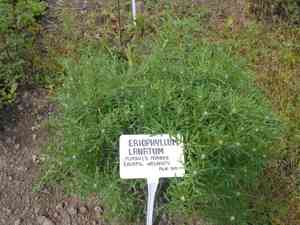
The Common Woolly Sunflower tolerates dry conditions and grows well in diverse soil compositions.
2
It offers crucial sustenance for indigenous pollinators such as bees and butterflies.
3
This species is advantageous for decorative horticulture and enhancing landscape beauty.
Why Opt for Common Woolly Sunflower in Your Garden?
Versatility in Diverse Environments
Common Woolly Sunflower is notable for its remarkable capacity to adapt to various environmental conditions. This plant flourishes in numerous soil types, making it an excellent option for gardeners dealing with less-than-ideal soil. Whether your soil is sandy, loamy, or clay, Common Woolly Sunflower can grow and thrive without requiring intensive care. Its drought-resistant nature also means it needs minimal irrigation, perfect for areas with limited water.
Minimal Upkeep
A primary reason gardeners appreciate Common Woolly Sunflower is its low-maintenance requirement. Once established, this plant demands little to no additional attention. It resists common pests and diseases, reducing the need for chemical treatments and frequent gardening interventions. This ease of care makes Common Woolly Sunflower a favorite among both new and seasoned gardeners.
Year-Round Aesthetic Appeal
Common Woolly Sunflower is not merely a robust plant; it is also visually appealing. Its bright yellow blossoms appear in profusion, creating a stunning display that can enhance any garden or landscape. These vibrant flowers persist from spring through late summer, providing a prolonged burst of color. The plant's soft, woolly foliage adds texture and visual interest even when not in bloom.
Ecological Advantages of Cultivating Common Woolly Sunflower
Supporting Local Pollinators
In today's world, with declining pollinator populations, Common Woolly Sunflower offers vital support. Its flowers attract a variety of pollinators, including bees and butterflies. By planting Common Woolly Sunflower, you contribute to providing a habitat and food source for these beneficial insects. This, in turn, aids in the pollination of nearby plants, fostering biodiversity and a healthier ecosystem.
Erosion Prevention
Common Woolly Sunflower possesses an excellent root system that assists in controlling soil erosion. This makes it a valuable plant for slopes and areas prone to soil degradation. The robust root network stabilizes the soil, lessening the risk of landslides and soil loss. By incorporating Common Woolly Sunflower into your landscape, you are also contributing to soil conservation.
Improving Soil Fertility
Plants like Common Woolly Sunflower can positively impact soil health. Its decomposing organic matter returns nutrients to the soil, boosting fertility. This can decrease the need for chemical fertilizers and enhance the overall soil structure, benefiting not only Common Woolly Sunflower but other plants in your garden.
Integrating Common Woolly Sunflower into Your Landscape
Border Placement
Common Woolly Sunflower is an excellent choice for border planting. Its bright flowers can create an attractive edge along pathways, garden beds, and driveways. Due to its compact growth habit, it fits well into small spaces without becoming invasive.
Companion Planting
Common Woolly Sunflower can be paired with other native plants to create a diverse and resilient garden ecosystem. When planted alongside other drought-tolerant species, it can form a low-maintenance and visually appealing xeriscape garden. This not only supports water conservation but also adds a layer of visual diversity and interest to your garden.
Steps for Successful Cultivation of Common Woolly Sunflower
Selecting the Ideal Spot
Choose a sunny location for planting Common Woolly Sunflower. While it can endure partial shade, full sun exposure will promote optimal growth and abundant flowering. Ensure the soil is well-drained to prevent waterlogging, which can negatively affect the plant.
Planting and Upkeep
Plant Common Woolly Sunflower seeds or seedlings in the spring. Space them appropriately to allow for airflow and reduce the risk of fungal diseases. Water young plants regularly until they establish a strong root system. Once established, decrease watering frequency. Avoid over-fertilizing, as this can lead to weak growth. Instead, opt for a balanced, slow-release fertilizer if necessary.



