The Purple lovegrass Plant Advantage: Maximizing Home and Office Appeal and Wellness
1
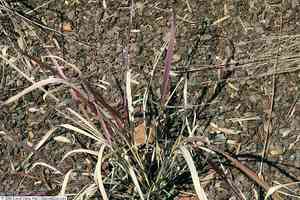
Purple lovegrass is recognized for its hardiness and minimal care requirements.
2
It serves a crucial function in averting soil degradation.
3
Enhances visual appeal with its attractive violet blooms.
Why Purple Lovegrass is an Excellent Addition to Your Garden
Durability and Minimal Upkeep
A key attribute of Purple lovegrass is its hardiness. This plant flourishes in diverse soil types, from sandy to clay, making it highly adaptable to various settings. Its ability to withstand dry conditions means it needs little watering once established, lessening the demand for constant care. This trait makes it a perfect option for busy homeowners or those aiming for a more eco-friendly garden.
Visual Appeal
Purple lovegrass brings a striking visual element to any outdoor space. Its delicate, purple-hued blooms and airy foliage create a soft, romantic feel, making it an ideal plant for decorative borders, wild meadows, or as a ground cover. When planted in large groups, the expanses of purple can transform a garden, offering a scenic and tranquil atmosphere.
How Purple Lovegrass Benefits Your Garden's Ecosystem
Prevention of Soil Erosion
Soil erosion is a major concern for gardeners, especially in areas prone to heavy rain or wind. Purple lovegrass acts as an excellent ground cover that stabilizes the soil with its extensive root system. The plant's roots help bind soil particles together, preventing erosion and preserving the soil's health and structure.
Supporting Local Wildlife
Gardens rich in wildlife contribute to a healthier ecosystem. Purple lovegrass plays a vital role in this by offering habitat and sustenance for various insects and birds. The plant's seeds serve as a food source for birds, while its dense foliage provides shelter for small creatures. This helps foster biodiversity within your garden, creating a vibrant, active environment.
Can Purple Lovegrass Be Utilized in Sustainable Landscaping?
Water Conservation Efforts
In sustainable landscaping, conserving water is a crucial practice. Purple lovegrass's drought-tolerant nature makes it an excellent choice for xeriscaping, a landscaping approach that minimizes or eliminates the need for irrigation. By incorporating drought-resistant plants like Purple lovegrass, you can create a beautiful garden that saves water, ultimately reducing your environmental footprint and cutting utility expenses.
Reduced Chemical Application
Maintaining a healthy garden often involves using fertilizers and pesticides. However, Purple lovegrass requires minimal fertilization and is naturally resistant to many pests, which lessens the need for chemical inputs. This contributes to a safer, more environmentally friendly garden, decreasing the presence of harmful substances that can impact both human health and local wildlife.
How to Integrate Purple Lovegrass into Your Garden Design
Decorative Borders and Edges
Decorative borders and edging are popular methods to define areas within a garden. Purple lovegrass works perfectly in these roles due to its striking appearance and growth habit. Planting it along pathways or around the perimeter of garden beds can create a distinct, aesthetically pleasing outline that enhances the overall design.
Mass Plantings and Groundcover
For large areas requiring coverage, mass plantings of Purple lovegrass can be particularly effective. Its ability to spread and form dense mats makes it suitable for weed control and creating uniform, low-maintenance green spaces. This approach helps maintain a tidy appearance and reduces the need for continuous intervention.



