The Weeping lovegrass Plant Advantage: Maximizing Home and Office Appeal and Wellness
1
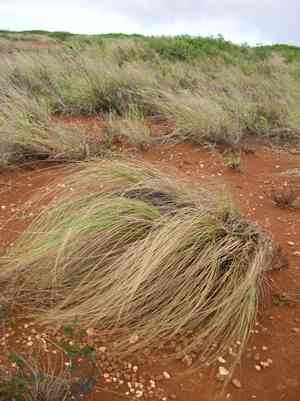
Weeping lovegrass tolerates dry conditions well, ideal for arid regions.
2
Its extensive root system aids in preventing soil degradation.
3
Weeping lovegrass boosts soil health by increasing organic content.
Why Is Weeping lovegrass Ideal for Arid Regions?
Drought Resistance
A primary benefit of Weeping lovegrass is its ability to withstand dry conditions. This makes it a superb option for areas with limited precipitation. The plant's capacity to thrive with minimal water aids in conserving this vital resource while maintaining a lush and vibrant landscape.
Minimal Upkeep
Once established, Weeping lovegrass demands very little attention. Its robust nature means it can flourish without frequent watering or fertilization, making it a low-maintenance choice for busy gardeners. Its resilience also means fewer replacements and reduced costs over time.
How Does Weeping lovegrass Prevent Soil Degradation?
Extensive Root System
Weeping lovegrass possesses a widespread root network that can penetrate deep into the earth. These roots help secure the soil, lessening the risk of erosion from wind and water. This makes Weeping lovegrass particularly effective for stabilizing inclines and embankments.
Soil Structure Enhancement
The roots of Weeping lovegrass not only bind the soil but also contribute to its overall health. By breaking up compacted earth, they improve air circulation and water penetration, which in turn fosters the growth of other plants and microorganisms.
Can Weeping lovegrass Boost Soil Fertility?
Increasing Organic Matter
Weeping lovegrass aids in enhancing soil fertility by adding organic material as it naturally sheds foliage and decays. This organic content enriches the soil, making it more fertile and better suited for cultivating a variety of plants.
Supporting Beneficial Microbes
The organic matter supplied by Weeping lovegrass also serves as sustenance for beneficial soil microorganisms. These tiny organisms play a vital role in nutrient cycling, breaking down organic substances, and making them available for other plants. This cooperative relationship leads to healthier and more productive soil.
What Are the Ecological Advantages of Weeping lovegrass?
Wildlife Sanctuary
Weeping lovegrass offers an excellent habitat for diverse forms of wildlife. Birds, insects, and small mammals find refuge and sustenance within its foliage. By incorporating Weeping lovegrass into your garden, you can help support local biodiversity.
Carbon Sequestration
Weeping lovegrass also contributes to mitigating climate change through carbon capture. As it grows, Weeping lovegrass absorbs atmospheric carbon dioxide and stores it in its biomass and soil. This process helps reduce the overall concentration of greenhouse gases in the atmosphere.
Is Weeping lovegrass Suitable for Ornamental Landscaping?
Aesthetic Appeal
Weeping lovegrass is not merely practical; it is also visually appealing. Its long, flowing blades and graceful appearance make it an attractive addition to any landscape design. Whether used as a standalone ornamental grass or in conjunction with other plants, Weeping lovegrass imparts a natural beauty to gardens and public areas.
Design Versatility
Weeping lovegrass is adaptable and can suit various landscaping requirements. It can be utilized for ground cover, borders, or even as a focal point in garden beds. Its flexibility makes it a favorite among landscape designers aiming to create visually pleasing yet sustainable spaces.



