The Queen of the night Plant Advantage: Maximizing Home and Office Appeal and Wellness
1
Recognized for its sizable, aromatic blossoms that open exclusively after dusk.
2
Simple to maintain and capable of flourishing in dimly lit settings.
3
Capable of enhancing atmospheric purity and contributing visual charm to your area.
What Makes Queen of the night Unique?
Nocturnal Blooms
A primary captivating characteristic of Queen of the night is its nighttime flowering pattern. Its large, white blossoms unfurl solely after dusk, filling the surroundings with a delightful scent. This uncommon blooming habit not only adds an element of mystery and charm to your garden but also creates an extraordinary late-evening display.
Fragrance and Aesthetic Appeal
The flowers of Queen of the night are not only visually appealing but also olfactorily pleasing. The sweet aroma they release can establish a pleasant ambiance in both indoor and outdoor settings. Their distinctive appearance and fragrant scent make them a splendid addition to any garden or living area.
How Does Queen of the night Benefit Indoor Environments?
Improves Air Quality
Similar to many indoor plants, Queen of the night effectively purifies the air. Research indicates it can help filter out common indoor pollutants, thereby enhancing overall air quality. Placing Queen of the night in your home can foster a healthier living space by reducing toxins and elevating oxygen levels.
Low Maintenance
Queen of the night is an excellent option for those who may lack gardening expertise. This resilient plant demands minimal care, making it perfect for busy individuals or gardening novices. Its low-maintenance nature allows you to enjoy its beauty and advantages without needing to invest significant time and effort.
Can Queen of the night Enhance Your Outdoor Garden?
Aesthetic Enhancement
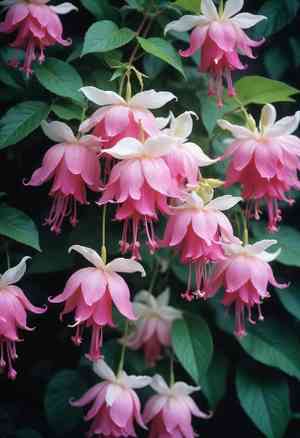
The distinctive look and stunning nocturnal flowers of Queen of the night can significantly boost your garden's visual appeal. Its hanging blossoms and intricate foliage provide texture and diversity, making it a prominent feature in any outdoor area. Whether you desire a tropical or eclectic garden feel, Queen of the night integrates seamlessly.
Attracts Pollinators
Not only is Queen of the night a delight for the senses, but it also serves a practical role in nature. Its night-blooming flowers draw in nocturnal pollinators like moths and bats. These creatures play a vital part in pollination, helping to sustain the biodiversity and health of your garden ecosystem.
What are the Ideal Growing Conditions for Queen of the night?
Light and Temperature Requirements
Queen of the night thrives in indirect light and adapts well to low-light conditions, making it suitable for indoor environments. When cultivated outdoors, it prefers shaded spots away from direct afternoon sun. The plant is robust within USDA zones 10-12 and favors warmer temperatures, ideally between 60-90°F.
Soil and Watering Needs
Queen of the night prefers well-draining soil to prevent root rot. A cactus or succulent mix is ideal. Regarding watering, the plant performs best with a soak-and-dry approach. Allow the soil to completely dry out between watering sessions to mimic its natural habitat and avoid overwatering.
How to Propagate Queen of the night?
Stem Cuttings
Propagating Queen of the night is relatively straightforward and can be achieved using stem cuttings. Cut a healthy stem segment and let it form a callus for a couple of days. Plant it in well-draining soil and keep it moderately moist until roots develop. This is an excellent method to expand your collection or share the plant with others.
Seed Propagation
Though less common, Queen of the night can also be grown from seeds. Collect the seeds from the plant's mature fruits and sow them in a well-draining soil mix. Keep the soil moist and under indirect light until germination occurs. Seed propagation demands more patience but can be a rewarding experience for the dedicated gardener.



