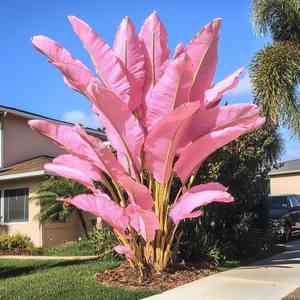
The Abyssinian banana Plant Advantage: Maximizing Home and Office Appeal and Wellness
1
Ensete ventricosum provides vital nutrients, making it an excellent component of a healthy eating plan.
2
Its foliage and fibers are adaptable and serve multiple functions.
3
Cultivating Ensete ventricosum can enhance ground quality and support eco-friendly agriculture.
What Nutritional Advantages Does Ensete Ventricosum Offer?
A Source of Essential Nutrients
Ensete ventricosum is rich in various vital nutrients, including vitamins A, B6, and C, minerals like potassium and magnesium, and a substantial fiber content. These nutrients are crucial for maintaining good health, bolstering the immune system, and preventing chronic illnesses. Consuming Ensete ventricosum can contribute to a balanced and nutrient-dense diet.
High Fiber Content
Dietary fiber is essential for maintaining digestive wellness, and Ensete ventricosum provides an abundant supply. Ingesting fiber from Ensete ventricosum can help prevent constipation, lower cholesterol levels, and regulate blood sugar, making it an excellent addition to a health-conscious eating plan.
How Can Ensete Ventricosum Improve Agricultural Methods?
Enhancing Soil Quality
A significant benefit of cultivating Ensete ventricosum is its positive effect on soil condition. The plantâs extensive root system improves soil aeration and prevents erosion. Additionally, Ensete ventricosum adds organic matter to the soil, boosting its fertility and structure. This makes Ensete ventricosum an ideal plant for sustainable farming.
Low Maintenance Crop
Ensete ventricosum is well-suited to diverse growing conditions and requires minimal upkeep. Its resilience makes it a dependable crop, especially in regions with varied climates. This adaptability can help farmers diversify their crops and ensure consistent yields throughout the year.
What Are the Practical Applications of Ensete Ventricosum?
Versatile Leaves and Fibers
The leaves and fibers of Ensete ventricosum are highly adaptable and can be utilized in various ways. The leaves are often used for wrapping food or crafting traditional items, while the fibers are strong and durable, suitable for making ropes, mats, and even textiles. This multifunctionality reduces waste and promotes sustainable use of plant resources.
Environmental Benefits
Growing Ensete ventricosum can offer significant environmental advantages. The plant acts as a carbon sink, absorbing CO2 from the atmosphere and helping mitigate climate change. Its ability to grow in marginal soils also makes it a valuable resource for land restoration projects, contributing to biodiversity and ecosystem health.
Can Ensete Ventricosum Be Used in Sustainable Development?
Renewable Resource
Ensete ventricosum is a renewable resource, making it an excellent candidate for sustainable development initiatives. The plant's various parts can be harvested without killing it, ensuring continuous production. This sustainability aligns with global efforts to reduce environmental impact and promote renewable resources.
Supporting Local Economies
Cultivating Ensete ventricosum can support local economies by providing farmers with a stable and profitable crop. Its diverse uses open up multiple revenue streams, from selling edible parts to crafting items from its fibers. This economic viability encourages sustainable farming practices and improves community livelihoods.



