The Virginia wild rye Plant Advantage: Maximizing Home and Office Appeal and Wellness
1
A beneficial component for eco-friendly land management, aiding in the prevention of soil degradation.
2
A superb feed option for farm animals, delivering dietary advantages in grazing areas.
3
Sustains native fauna by furnishing shelter and sustenance for diverse creatures.
How Does Virginia wild rye Prevent Soil Erosion?
Root System and Soil Stabilization
A primary advantage of Virginia wild rye is its strong root structure, which secures the earth and prevents erosion. The plant's roots delve deep into the ground, forming a network that binds soil particles together. This is especially useful in areas prone to erosion, such as inclines and riverbanks. By cultivating Virginia wild rye, you can significantly lessen soil displacement caused by wind and water, thus preserving the landscape's integrity.
Erosion Control Methods in Landscaping
Virginia wild rye can be employed in various erosion control techniques within sustainable landscaping initiatives. For instance, it can be planted as part of a cover crop blend to provide ground cover during the dormant season. This method not only safeguards the soil but also adds organic matter as the plant decays, boosting soil fertility. Furthermore, Virginia wild rye can be utilized in bioengineering approaches, such as live fascines or brush layers, to stabilize slopes and embankments.
What Makes Virginia wild rye a Good Forage Option?
Nutritional Benefits for Livestock
As a forage grass, Virginia wild rye offers a rich source of nourishment for farm animals. It contains vital nutrients, including proteins, carbohydrates, and minerals, making it an excellent choice for grazing. Livestock consuming Virginia wild rye receive a balanced diet, which contributes to their overall health and productivity. Moreover, Virginia wild rye is palatable and easily digestible, ensuring animals gain maximum benefit from its consumption.
Integration Into Pasture Management
Incorporating Virginia wild rye into pasture management practices can yield substantial advantages. This plant is highly adaptable and can thrive in diverse soil types and environmental conditions. By including Virginia wild rye in your pasture, you create a resilient forage system that can endure periods of drought and provide consistent feed for your livestock. Additionally, the plant's capacity to enhance soil structure and fertility improves the overall quality of the pasture over time.
How Does Virginia wild rye Support Local Wildlife?
Providing Habitat and Shelter
One of the ecological benefits of Virginia wild rye is its role in offering habitat and refuge for local wildlife. The plant's dense growth habit creates an ideal environment for small mammals, birds, and insects. These species benefit from the cover and protection Virginia wild rye provides, which can be particularly crucial during breeding and nesting periods. Furthermore, the plant's foliage and seeds serve as a food source for various wildlife, supporting a diverse and healthy ecosystem.
Enhancing Biodiversity in Restoration Projects
Virginia wild rye is a key element in ecological restoration projects aimed at boosting biodiversity. By introducing this plant into degraded areas, conservationists can re-establish native plant communities and support the return of wildlife. The presence of Virginia wild rye contributes to the overall stability and resilience of the ecosystem, making it more capable of withstanding environmental stressors such as climate change and invasive species.
What Are the Advantages of Using Virginia wild rye in Landscaping?
Aesthetic and Functional Benefits
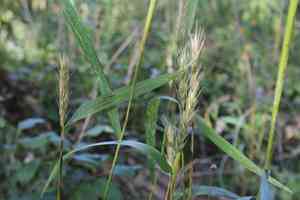
Beyond its ecological advantages, Virginia wild rye offers aesthetic and practical benefits for landscaping projects. Its graceful, arching blades and seed heads add visual appeal and texture to gardens and naturalized areas. The plant's ability to flourish in a range of conditions makes it a versatile option for various landscape designs. Whether used as a ground cover, in a meadow mix, or as part of a rain garden, Virginia wild rye enhances the beauty and utility of the space.
Low Maintenance and Sustainability
Another significant benefit of Virginia wild rye is its minimal maintenance requirements. Once established, the plant is relatively self-sufficient, needing little intervention. Its drought tolerance and resistance to pests and diseases reduce the need for irrigation, pesticides, and fertilizers, making it a sustainable choice for eco-conscious gardeners and landscapers. By opting for Virginia wild rye, you contribute to water conservation efforts and lessen the environmental impact of your landscaping practices.



