The Blue wild rye Plant Advantage: Maximizing Home and Office Appeal and Wellness
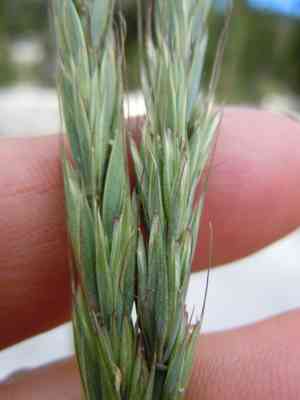
1
This plant, blue wild rye, tolerates dry conditions well, making it ideal for low-water gardens.
2
Its extensive root network makes blue wild rye an effective choice for preventing soil erosion.
3
Blue wild rye offers a supportive environment for native animals, enhancing local biodiversity.
Why Opt for Blue Wild Rye in Your Garden?
Resistance to Dry Conditions
A key advantage of Blue wild rye is its impressive ability to withstand drought. This plant thrives even in poor soil and needs minimal water, making it perfect for areas with limited water. Its efficient water usage means less frequent watering, saving effort and resources.
Ground Stabilization and Erosion Prevention
Blue wild rye is well-known for its capacity to stabilize soil and prevent erosion. Its extensive, deep root system firmly anchors the ground, reducing erosion risk on slopes and vulnerable spots. This makes it an excellent choice for restoring damaged land and protecting areas from water and wind erosion.
How Does Blue Wild Rye Aid Local Wildlife?
Offers Shelter and Sustenance
Blue wild rye plays a vital role in supporting local wildlife. It provides habitat and food for various insects, birds, and small mammals. Its dense leaves offer cover and nesting sites, while its seeds feed many bird species. By planting Blue wild rye, you boost biodiversity and foster a balanced ecosystem.
Attracts Pollinating Insects
Adding Blue wild rye to your garden can help draw in crucial pollinators, such as bees and butterflies. These pollinators are essential for the reproduction of many plants, and their presence can improve your garden's overall health and yield. With declining pollinator populations, planting Blue wild rye is an easy way to support these vital species.
What Are the Visual Benefits of Blue Wild Rye?
Flexible Landscaping Options
Blue wild rye offers numerous aesthetic advantages that can enhance any landscape. Its tall, upright form and bluish-green foliage provide visual interest and texture. Whether used as a focal point or mixed with other plants, its striking appearance can elevate your garden or natural area's design.
Seasonal Visual Appeal
Blue wild rye adds seasonal charm to your landscape. In summer, its vibrant green foliage stands out, while in autumn, it transforms into a rich golden brown, offering a dynamic and evolving visual display. This seasonal change keeps your garden looking lively and engaging throughout the year.
Practical Applications of Blue Wild Rye Beyond Gardening
Restoration of Damaged Sites
Blue wild rye is frequently used for restoring disturbed areas like construction sites, mining locations, and pastures. Its ability to establish quickly and improve soil health makes it an excellent choice for reclaiming these areas. The plant's resilience and adaptability help restore native vegetation and promote ecological recovery.
Integrated Grazing Systems
In agricultural settings, Blue wild rye can be incorporated into pasture systems to provide forage for livestock. It offers nutritious feed and can be combined with other grasses and legumes for a balanced diet for grazing animals. Its deep roots also enhance soil structure and fertility, benefiting other crops grown in rotation.



