The Thorny olive Plant Advantage: Maximizing Home and Office Appeal and Wellness
1
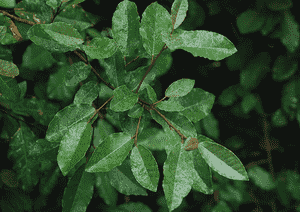
Thorny olive offers superb ground coverage and helps prevent soil erosion.
2
Its thick leaf growth is ideal for forming screening hedges.
3
The plant's silver-hued leaves contribute a distinct visual charm to outdoor spaces.
What Makes Thorny olive Ideal for Landscaping?
Minimal Upkeep Requirements
Thorny olive is recognized for its robust nature and demands little care once established. It tolerates dry conditions, making it suitable for regions with infrequent rainfall. Furthermore, its resistance to pests and diseases means fewer interventions and treatments are necessary.
Erosion Prevention and Soil Stabilization
A key advantage of Thorny olive is its capacity to prevent soil erosion. Its extensive root system helps secure the soil, making it perfect for slopes and other areas prone to erosion. This makes it a valuable addition to landscapes needing soil conservation efforts.
Natural Privacy Barriers
The thick foliage of Thorny olive is excellent for establishing natural privacy screens and windbreaks. Strategic placement of Thorny olive can offer seclusion and lessen the impact of strong winds, making outdoor spaces more comfortable and private.
How Does Thorny olive Enhance Garden Aesthetics?
Appealing Silvery Foliage
Thorny olive features distinct silvery leaves that add a unique visual charm to any garden. These leaves reflect sunlight beautifully, creating a bright and shimmering effect that can illuminate shaded garden areas.
Seasonal Color Changes
Thorny olive offers year-round interest as its foliage alters hue with the seasons. In spring and summer, the leaves maintain their silvery-green shade, while in autumn, they adopt warmer tones. This seasonal variation adds dynamic color shifts to the landscape.
Why Is Thorny olive Beneficial for Wildlife?
Providing Habitat and Shelter
The dense branches and leaves of Thorny olive create an excellent dwelling for various bird species and small mammals. This thick cover offers protection from predators and harsh weather, contributing to local biodiversity.
Food Source
Thorny olive produces small fruits that attract birds and other wildlife. These berries are not only a food source but also add decorative value to the plant when they appear. This can make your garden a sanctuary for wildlife, fostering a healthy ecosystem.
Can Thorny olive Be Used in Different Landscaping Styles?
Design Versatility
Thorny olive can be seamlessly integrated into various landscaping styles, from formal gardens to naturalistic settings. Its adaptability makes it suitable for diverse garden themes and designs. Whether utilized as a hedge, ground cover, or focal plant, Thorny olive offers multiple application possibilities.
Companion Planting
Thorny olive pairs well with other plants, enhancing both its own appearance and that of its companions. Combining Thorny olive with flowering plants or evergreens can create a well-rounded and visually appealing garden.



