The Viper's bugloss Plant Advantage: Maximizing Home and Office Appeal and Wellness
1
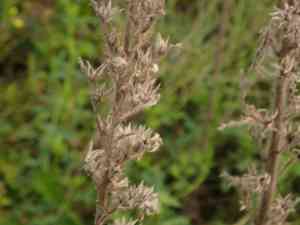
Echium vulgare draws in beneficial insects such as bees and butterflies.
2
The plant tolerates dry conditions well, perfect for xeriscaping.
3
Its vivid blue blossoms provide a stunning aesthetic to any landscape.
Why is Viper's bugloss Ideal for Pollinators?
Luring Bees and Butterflies
Viper's bugloss acts as a powerful draw for pollinators such as bees and butterflies. Its blossoms, rich in nectar, offer a crucial food source, especially during summer when other plants might not be flowering. By cultivating Viper's bugloss, you not only enhance your garden's visual appeal but also bolster the local ecosystem by providing vital resources for pollinators.
Fostering Biodiversity
Cultivating Viper's bugloss can lead to a more diverse environment within your garden. This plant supports various insects and other wildlife, contributing to a healthier, more balanced ecosystem. Biodiversity is essential for the resilience of natural habitats and can make your garden more resistant to pests and diseases.
How Does Viper's bugloss Improve Soil Quality?
Soil Enrichment
Viper's bugloss contributes to better soil health by attracting beneficial insects that aid in breaking down organic matter, thereby enriching the soil with vital nutrients. This natural process can lessen the need for artificial fertilizers, making your gardening practices more eco-friendly.
Erosion Prevention
The root system of Viper's bugloss is highly effective at preventing soil erosion. Its deep roots help stabilize the earth, reducing erosion caused by wind and water. This is particularly advantageous in areas prone to soil degradation, offering a natural solution for maintaining soil integrity.
Why is Viper's bugloss a Low-Maintenance Plant?
Drought Tolerance
Viper's bugloss thrives in arid conditions, making it an excellent option for drought-prone regions. Once established, this plant requires minimal irrigation, which helps conserve water and reduces your garden upkeep efforts.
Pest and Disease Resistance
Viper's bugloss is renowned for its resilience against common pests and diseases. This hardiness means you'll spend less time and money on pest control, allowing you to focus more on enjoying your garden.
What Visual Benefits Does Viper's bugloss Offer?
Vibrant Blooms
The vivid blue flowers of Viper's bugloss are a striking addition to any garden. These blossoms can serve as a focal point in your landscape design, introducing a burst of color that is both captivating and calming.
Seasonal Appeal
Viper's bugloss provides enduring seasonal interest with its extended flowering period. This ensures your garden will benefit from continuous beauty, attracting visitors and enhancing outdoor living spaces throughout the year.
Can Viper's bugloss be Used in Companion Planting?
Supporting Other Plants
When incorporated into companion planting, Viper's bugloss can aid the growth of other plants by attracting beneficial insects that prey on garden pests. This synergistic relationship can help you maintain a healthier, more productive garden.
Aesthetic Pairing
Viper's bugloss complements a variety of other plants, both visually and functionally. Consider planting it alongside compatible species to create a harmonious and mutually beneficial garden ecosystem.



