The Pride of madeira Plant Advantage: Maximizing Home and Office Appeal and Wellness
1
Echium candicans draws in beneficial insects, bolstering your local environment.
2
Echium candicans needs little upkeep, perfect for gardeners with limited time.
3
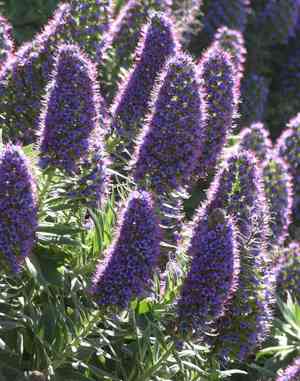
Echium candicans offers a stunning aesthetic with its vivid blue blooms and distinctive form.
What Makes Pride of Madeira Unique?
A Haven for Pollinators
Pride of Madeira acts as a magnet for bees, butterflies, and other beneficial insects. Its vibrant blooms produce abundant nectar, offering vital food sources for these pollinators. By incorporating Pride of Madeira into your garden, you not only enhance its beauty but also contribute to sustaining local pollinator populations.
Low Maintenance and Resilient
For individuals with busy schedules, Pride of Madeira is an excellent garden addition. This plant is drought-tolerant and needs minimal watering once established. It flourishes in well-drained soil and can endure various climate conditions, making it an ideal choice for gardeners of all skill levels. Regular trimming helps maintain its form, but overall, Pride of Madeira requires very little care and upkeep.
How Does Pride of Madeira Enhance Garden Aesthetics?
Striking Visual Appeal
Pride of Madeira stands out with its tall, spiky clusters of vivid blue flowers. These blossoms are not only captivating but also add a dramatic touch to any garden setting. The plant's distinctive architectural form serves as a focal point, attracting attention and admiration from visitors.
Versatile Landscaping Options
Whether you aim to create a stunning flower bed or an engaging border, Pride of Madeira adapts well to various landscaping designs. Its bold color and shape make it an excellent companion plant for more subtle or smaller flowers. Additionally, it can be used to fill gaps within perennial borders, adding height and interest to the overall garden composition.
Can Pride of Madeira Benefit the Environment?
Erosion Control
Pride of Madeira possesses a robust root system that helps stabilize soil, making it an effective plant for preventing erosion. Its roots bind the soil together, reducing the risk of erosion on slopes and other vulnerable areas in your garden. This characteristic is particularly advantageous in regions prone to heavy rainfall or strong winds.
Supporting Biodiversity
By attracting a variety of pollinators, Pride of Madeira plays a crucial role in fostering biodiversity within your garden. A diverse pollinator population helps ensure the successful pollination of various plants, leading to healthy plant growth and a more resilient garden ecosystem. This biodiversity also creates a dynamic and vibrant environment that promotes overall garden health.
What Care and Maintenance Does Pride of Madeira Require?
Ideal Growing Conditions
Pride of Madeira thrives in full sun and well-drained soil. It is relatively tolerant of poor soil conditions, making it adaptable to different garden environments. While it prefers slightly acidic to neutral soil, it can still grow well in a range of soil pH levels. Providing adequate space for Pride of Madeira to grow is essential, as it can spread up to 4-6 feet in width.
Pruning and Feeding
Pruning is important to maintain the plant's shape and encourage new growth. Trim back dead or damaged stems in early spring before new growth begins. An annual application of balanced fertilizer can boost its growth, but over-fertilizing should be avoided. Additionally, mulching around the base of the plant helps retain moisture and suppress weeds.
How to Successfully Propagate Pride of Madeira?
Seed Propagation
Propagation of Pride of Madeira is commonly achieved through seeds. Collect seeds from mature flowers and sow them in a well-drained potting mix. Keep the soil moist until germination, which typically occurs within a few weeks. Once the seedlings are strong enough, they can be transplanted to their permanent locations in the garden.
Cutting Propagation
Another method of propagation is through cuttings. Take 4-6 inch cuttings from healthy, non-flowering stems in early summer. Dip the cut ends into rooting hormone and plant them in a mixture of sand and peat. Keep the cuttings in a warm, humid environment until roots develop, which usually takes a few weeks. Once rooted, the cuttings can be transplanted into the garden.



