The Black echeveria Plant Advantage: Maximizing Home and Office Appeal and Wellness
1
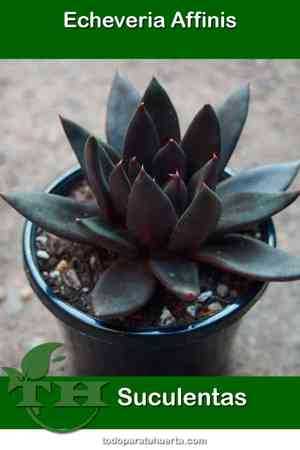
The black echeveria is recognized for its striking dark leaves, which bring sophistication to any outdoor space.
2
This succulent needs little upkeep, making it ideal for individuals with limited time.
3
Black echeveria is highly effective at enhancing the air quality within interior settings.
Why Cultivate Black Echeveria?
Visual Allure
A prominent characteristic of Black echeveria is its striking dark foliage. Its deep, nearly black leaves offer a beautiful contrast with other green plants, making it a captivating focal point in any garden. For indoor environments, placing Black echeveria in an elegant container can instantly enhance the decor, adding a touch of sophistication and distinctiveness.
Minimal Upkeep Needs
Unlike numerous other plants that demand continuous attention and oversight, Black echeveria requires exceptionally little maintenance. This makes it perfect for individuals who may not have ample time to devote to plant care. Consistent watering, occasional fertilization, and ensuring adequate sunlight are typically enough to keep this plant flourishing.
How Does Black Echeveria Enhance Indoor Air Quality?
Natural Air Purification
Black echeveria can significantly improve the air quality inside your home. Similar to other succulents, it possesses air-purifying qualities that can eliminate toxins and pollutants from the atmosphere. This makes it an excellent choice for bedrooms, living areas, and office spaces where air quality is a concern.
Humidity Control
In addition to cleansing the air, Black echeveria can assist in regulating indoor humidity levels. The plant's natural transpiration process releases moisture into the air, which can be particularly beneficial during dry periods. Appropriate humidity levels contribute to a more comfortable living space and can even help preserve wooden furnishings and musical instruments.
What Are the Care Requirements for Black Echeveria?
Light and Temperature
Black echeveria thrives in bright, indirect illumination but can also endure partial shade. For optimal development, position it in a spot that receives abundant sunlight throughout the day. The plant prefers a temperature range of 65-75°F (18-24°C), making it well-suited for typical household conditions.
Watering and Substrate
Excessive watering is a frequent cause of issues with Black echeveria. The plant prefers well-draining soil and should only be watered when the top inch of the substrate feels dry to the touch. During the active growth period, more frequent irrigation may be necessary, but it's crucial to reduce watering in the winter months when the plant is dormant.
How to Successfully Propagate Black Echeveria?
Leaf Cuttings
Propagating Black echeveria is relatively straightforward and can be accomplished using leaf cuttings. Simply select a healthy leaf, detach it from the plant, and allow it to air-dry for a few days to permit the cut end to form a callus. Once the callus has developed, place the leaf on well-draining soil and water sparingly until new roots and a rosette emerge.
Offsets
Another effective method of propagation involves using offsets, also known as 'pups,' which grow at the base of the mature plant. Gently separate the offset from the parent plant, ensuring it has its own roots before potting it in a new container. This method often yields quicker results compared to leaf cuttings and is less prone to failure.
What Are the Common Pests and Diseases of Black Echeveria?
Common Pests
While Black echeveria is relatively resistant to pests, it can occasionally attract aphids, mealybugs, and spider mites. Regularly inspecting the plant and treating it with neem oil or insecticidal soap can help manage any infestations. Ensuring proper air circulation and avoiding overwatering can also reduce the likelihood of pest problems.
Preventing Diseases
Overwatering and inadequate drainage are the primary causes of root rot and other fungal infections in Black echeveria. To prevent these issues, use a well-draining soil mix and ensure the plant is not left sitting in water. Yellowing leaves and a mushy stem are indicators of potential disease, so it's crucial to address watering habits and soil conditions promptly if these symptoms appear.



