The Garden pink Plant Advantage: Maximizing Home and Office Appeal and Wellness
1
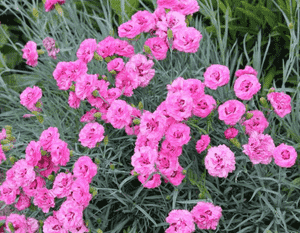
Dianthus caryophyllus is recognized for its lovely, aromatic blossoms, enhancing the aesthetic of outdoor spaces.
2
It draws in beneficial insects such as bees and butterflies, fostering a thriving garden environment.
3
Dianthus is simple to maintain, making it perfect for both new and seasoned gardeners.
What Makes Garden pink Special?
Aesthetic Appeal
Garden pink is prized for its vivid and attractive blossoms that appear in various hues including pink, white, and red. The frilly edges and often fragrant blooms lend a touch of sophistication to any garden. Its capacity to flower profusely throughout the growing period makes it a dependable option for continuous garden beauty.
Attracting Beneficial Insects
A key advantage of Garden pink is its ability to draw in pollinators such as bees and butterflies. These pollinators are crucial for your garden's well-being, aiding in plant fertilization and fostering a robust and productive garden environment. By cultivating Garden pink, you contribute to the overall health and biodiversity of your garden space.
How to Cultivate and Care for Garden pink
Planting
When planting Garden pink, select a spot with well-drained soil and ample sunlight. It flourishes in areas receiving at least 6 hours of sun daily. Prepare the soil by incorporating compost to boost fertility and ensure proper drainage. Plant Garden pink in early spring or autumn for optimal results.
Watering and Fertilizing
Garden pink is relatively low-maintenance regarding watering. Water thoroughly but infrequently, allowing the soil to dry out between waterings to prevent root rot. Fertilize sparingly, using a balanced fertilizer once or twice during the growing season to support healthy growth and abundant flowering.
Benefits of Using Garden pink in Your Garden
Low Maintenance
Garden pink is an excellent choice for gardeners seeking low-maintenance plants. It requires minimal care, making it perfect for those who do not have a lot of time to devote to gardening. Once established, it is drought-resistant and can withstand a variety of conditions.
Versatility in Garden Design
Garden pink is incredibly versatile and can be used in various garden designs. Whether you are looking to create a traditional flower border, a rock garden, or a container garden, Garden pink fits seamlessly into different types of landscapes. Its compact size and tidy growth habit make it easy to incorporate into any design.
Tips for Maximizing the Benefits of Garden pink
Regular Deadheading
To prolong the blooming period of Garden pink and ensure continual flowers, practice regular deadheading. Remove spent blooms to encourage the plant to produce more flowers and maintain its aesthetic appeal.
Pest and Disease Management
Garden pink is relatively resistant to pests and diseases, but it's always good practice to monitor your plants regularly. Keep an eye out for common garden pests like aphids or slugs, and treat them promptly using organic or chemical controls as necessary to keep your plants healthy.



