The Cheddar pink Plant Advantage: Maximizing Home and Office Appeal and Wellness
1
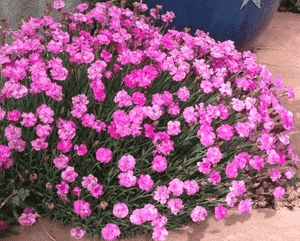
Dianthus gratianopolitanus is a robust perennial that flourishes in soil with good drainage.
2
This garden bloom presents beautiful pink blossoms possessing a pleasant scent.
3
Dianthus gratianopolitanus requires minimal upkeep, making it perfect for gardeners with limited time.
What Makes Cheddar pink Special?
Attractive Appearance
A key characteristic of Cheddar pink is its eye-catching pink blossoms, which bloom profusely during late spring and early summer. Its vivid color and pleasing form make it a focal point in any garden. Beyond its visual appeal, the flowers release a sweet scent, adding an extra layer of sensory delight to your outdoor area.
Adaptability to Various Garden Settings
Cheddar pink is highly versatile and can flourish in diverse soil types, provided they offer good drainage. It performs exceptionally well in rocky or sandy soils, making it an excellent option for rock gardens or alpine environments. Its adaptability extends to its tolerance for different light conditions, from full sun to partial shade.
How to Care for Cheddar pink?
Watering Needs
Once established, Cheddar pink is drought-resistant, meaning it requires minimal irrigation. Excessive watering can actually harm its health, so it's best to let the soil dry out between watering sessions. A deep but infrequent watering regimen is advised.
Pruning and Maintenance
Regular removal of faded flowers can encourage more blooming and prolong the flowering period. While the plant is generally low-maintenance, some light trimming may be beneficial to maintain its shape and promote vigorous growth. Remove any damaged or diseased foliage to keep the plant looking its best.
Why Should You Choose Cheddar pink for Your Garden?
Attracts Pollinators
Cheddar pink draws various pollinators, including bees and butterflies, which can benefit your garden's overall health and productivity. By offering nectar and pollen, it plays a crucial role in supporting local ecosystems and fostering biodiversity.
Low-Maintenance Plant
For busy gardeners or those new to gardening, Cheddar pink is an excellent choice due to its low-maintenance nature. It's resistant to many common pests and diseases, reducing the need for chemical interventions and allowing for a more organic gardening approach.
How to Propagate Cheddar pink?
Seed Germination
Propagating Cheddar pink from seeds is straightforward and can be done indoors in late winter or directly in the garden in spring. The seeds require light for germination, so they should be sown on the surface of the soil and kept moist until they sprout.
Division Method
Another effective method for propagating Cheddar pink is through division. Every few years, you can divide the clumps in early spring or late summer. This not only helps propagate the plant but also rejuvenates older clumps, ensuring vigorous growth and abundant flowering.
What are the Companion Plants for Cheddar pink?
Complementary Colors
Cheddar pink pairs well with other low-growing perennials that have complementary or contrasting colors. Consider planting it alongside blue or purple-flowered plants like lavender or salvia, which can enhance its pink blooms and create a visually striking display.
Similar Growth Requirements
When choosing companion plants, look for those with similar growth requirements, particularly those that thrive in well-drained soils with moderate watering needs. Plants like sedum, thyme, and other drought-tolerant species can coexist harmoniously with Cheddar pink.
How to Use Cheddar pink in Garden Landscaping?
Rock Gardens and Borders
Due to its compact and cushion-like growth habit, Cheddar pink is ideal for rock gardens and border plantings. Its bright flowers can add color and interest to these areas, while its evergreen foliage provides year-round appeal.
Ground Cover
Cheddar pink can also be used as a ground cover in sunny spots. Its dense, low-growing nature helps suppress weeds and can create a lush, colorful carpet when planted en masse. It's particularly effective on slopes or other challenging sites where other plants may struggle to establish.



