The Chinese pink Plant Advantage: Maximizing Home and Office Appeal and Wellness
1
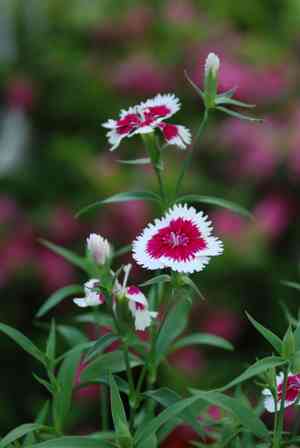
Dianthus chinensis is recognized for its vivid, brightly colored blooms, making it an excellent decorative plant.
2
It flourishes in diverse soil conditions, rendering it adaptable for various garden environments.
3
Valued for its easy-care characteristics, it's ideal for gardeners with limited time.
Why Select Chinese Pink for Your Garden?
Lively and Striking Blooms
A primary reason gardeners choose Chinese pink is its stunning flowers. The plant produces a range of vivid colors, from pinks and purples to whites and reds. These beautiful blossoms can easily become the focal point of any garden, offering visual appeal and boosting curb attractiveness.
Adaptable Growing Conditions
Another notable advantage of Chinese pink is its ability to adapt to various soil types and environments. Whether your garden soil is sandy, loamy, or clay, Chinese pink can flourish with minimal adjustments. This versatility makes it an excellent option for both new and experienced gardeners, removing the need for specialized soil preparation.
How Does Chinese Pink Benefit Your Well-being?
Stress Reduction Through Gardening
Engaging in gardening activities like planting and caring for Chinese pink can provide significant stress relief. Nurturing plants has been shown to lessen anxiety, promote relaxation, and increase a sense of accomplishment. The vibrant flowers of Chinese pink can lift your spirits and create a peaceful garden setting, contributing to improved mental health.
Encourages Outdoor Activities
Having Chinese pink in your garden encourages you to spend more time outside, which is beneficial for your physical and emotional health. Regular exposure to fresh air and sunlight can strengthen your immune system, boost your energy levels, and enhance your overall quality of life. Gardening with Chinese pink offers the dual benefit of exercise and enjoyment, making it a healthy pastime.
Practical Advice for Growing Chinese Pink
Optimal Planting Environment
To ensure your Chinese pink thrives, it's essential to plant it in conditions that mimic its natural habitat. Choose a location with full to partial sunlight and well-drained soil. While Chinese pink is adaptable, providing these ideal conditions will result in more robust growth and vibrant flowers.
Watering and Upkeep
Chinese pink is relatively low-maintenance, but proper watering is crucial. Water the plant thoroughly once a week, allowing the soil to dry out between waterings. Overwatering can lead to root rot, so it's better to underwater than to keep the soil constantly moist. Additionally, removing spent flowers will encourage continuous blooming throughout the growing season.
Enhancing Your Garden's Ecosystem with Chinese Pink
Attracts Pollinators
One of the ecological advantages of adding Chinese pink to your garden is its capacity to attract pollinators such as bees and butterflies. These pollinators play a vital role in the environment, assisting in the reproduction of flowering plants. By including Chinese pink in your garden, you contribute to the health of local ecosystems and promote biodiversity.
Companion Planting
Chinese pink can be effectively used in companion planting strategies to benefit other plants in your garden. When planted alongside vegetables and herbs, it can help deter pests and improve overall plant health. Its aromatic foliage can ward off harmful insects, making it a valuable addition to any eco-friendly garden.
Creative Uses of Chinese Pink in Landscaping
Border and Edging Plant
Chinese pink is an excellent choice for borders and edging due to its compact growth habit and vibrant flowers. It can define pathways, garden beds, and lawn areas, adding structure and color to your landscape. Its consistent blooming can create a visually appealing outline that lasts throughout the growing season.
Container Gardening
For those with limited garden space, Chinese pink can be effectively grown in containers. Its adaptability and manageable size make it perfect for patios, balconies, and small gardens. Container gardening with Chinese pink allows you to enjoy its beauty and benefits even in urban settings, where ground space may be scarce.
How to Integrate Chinese Pink into Your Garden Design
Complementary Plant Pairings
When designing your garden, consider pairing Chinese pink with other plants that complement its growth habits and floral colors. Plants with similar sunlight and water requirements, such as lavender and petunias, can create harmonious and visually appealing combinations. Experiment with color contrasts and textures to achieve a cohesive garden design.
Seasonal Planting Concepts
To maximize the visual impact of Chinese pink, plan for seasonal planting that ensures continuous blooms throughout the year. Combine Chinese pink with early spring bulbs, summer perennials, and fall-flowering plants to create a dynamic and layered garden that offers interest in every season. This approach allows you to enjoy the benefits of Chinese pink all year round.



