The Monterey cypress Plant Advantage: Maximizing Home and Office Appeal and Wellness
1
Offers natural protection from wind and helps prevent soil loss.
2
Supplies shelter and sustenance for a variety of animal life.
3
Tolerates different soil types and can boost ecological diversity.
Why Opt for Monterey Cypress?
Visual Charm
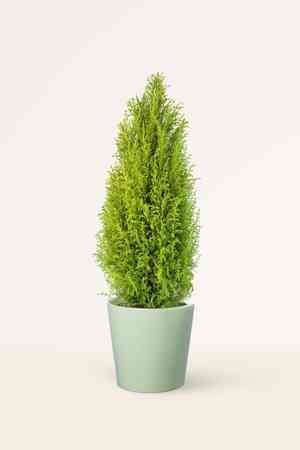
The distinctive look of Monterey cypress makes it an appealing addition to any garden. With its thick, dark green leaves and textured bark, it creates a striking focal point. Furthermore, its natural form and growth habit make it suitable for use as a privacy barrier or decorative tree.
Versatility
A primary reason to select Monterey cypress is its adaptability. This resilient plant can flourish in diverse soil typesâincluding sandy, loamy, and clay soilsâand can even endure saline coastal environments. Its robust nature allows it to grow where other species might struggle.
Ecological Advantages of Monterey Cypress
Windbreak and Erosion Control
A key benefit of Monterey cypress is its capacity to serve as a natural wind barrier. Its dense foliage reduces wind velocity, thereby safeguarding other plants and structures nearby. Moreover, its extensive root system aids in stabilizing soil, making it effective for erosion prevention on slopes and hills.
Wildlife Habitat
The thick canopy and sturdy branches of Monterey cypress offer refuge and nesting spots for various bird species, while its seeds provide food for wildlife. This enhances local biodiversity, making your garden a welcoming environment for numerous animal species.
Practical Applications of Monterey Cypress
Urban Landscaping
In city settings, Monterey cypress is often used for its ability to withstand pollution and poor soil conditions. It is a popular choice for parks, street plantings, and other urban green spaces. Its hardy nature helps it thrive in challenging environmental conditions, contributing to greener and more sustainable cities.
Recreational Areas
Beyond urban environments, Monterey cypress can be found in leisure areas such as golf courses and campgrounds. Its ability to form dense screens makes it ideal for creating secluded spots and adding aesthetic and practical value to recreational settings.
How to Maintain Monterey Cypress?
Watering and Soil
Established Monterey cypress plants are relatively drought-tolerant, requiring minimal irrigation once mature. However, it is vital to water young plants regularly to ensure they develop a strong root system. While Monterey cypress can grow in various soil types, it thrives best in well-drained soils.
Pruning and Upkeep
Pruning is crucial for maintaining the shape and health of Monterey cypress. Regular trimming helps prevent overly dense foliage, reducing disease risk. It is best to prune in late winter or early spring before new growth emerges.
Challenges and Considerations
Pests and Diseases
Monterey cypress is relatively resistant to many common pests and diseases but can still be vulnerable to certain issues if not properly cared for. Regular checks and prompt action at the first sign of trouble can help keep your plants healthy.
Placement and Spacing
When planting Monterey cypress, consider its mature size and ensure adequate spacing. Overcrowding can lead to poor air circulation and increase disease risk. Providing ample space will allow your plants to flourish and reach their full potential.



