The Frosted hawthorn Plant Advantage: Maximizing Home and Office Appeal and Wellness
1
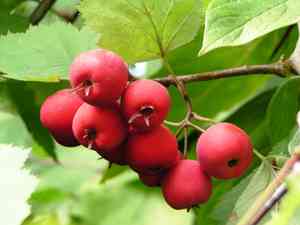
The frosted hawthorn is recognized for its appealing frosted-white berries and thick leaves.
2
This flora offers refuge and sustenance to diverse animal life.
3
Frosted hawthorn finds application in landscape design due to its visual charm and ecological advantages.
Why is Frosted Hawthorn an Excellent Choice for Your Garden?
Visual Charm
A key characteristic of Frosted hawthorn is its white-dusted fruits, which bring a distinct aesthetic appeal to any garden space. These berries contrast beautifully with the plant's thick leaves, creating a captivating display that endures for much of the year. Furthermore, the plant's overall form and the color difference between its foliage and fruits make it a favored option for landscape designers aiming to introduce sophistication to outdoor areas.
Effortless Upkeep
Frosted hawthorn is especially valued for its hardiness and capacity to flourish with minimal attention. This plant needs less frequent watering once established and adapts well to diverse soil types, making it an easy-care addition to any garden. Its resistance to common pests and diseases also means gardeners can enjoy a lush and lively landscape without extensive maintenance efforts.
How Does Frosted Hawthorn Benefit Local Wildlife?
Nourishment for Birds and Animals
The frosted berries of Frosted hawthorn are not only visually appealing but also serve as a vital food source for various bird species and small creatures. These fruits provide essential nutrients during autumn and winter months when other food options might be scarce. By including Frosted hawthorn in your garden, you contribute to the local ecosystem and support wildlife survival through colder periods.
Habitat and Refuge
Frosted hawthorn's dense foliage offers excellent shelter for birds, insects, and small mammals. The plant's branches provide a secure nesting spot for birds, while its leaves and undergrowth offer protection for ground-dwelling animals. Establishing such a habitat in your garden promotes biodiversity and helps maintain an ecological balance.
What are the Environmental Advantages of Frosted Hawthorn?
Soil Preservation
Frosted hawthorn plays a critical role in soil conservation due to its robust root system. The plant's roots help stabilize the ground, preventing erosion and fostering healthier land. This is particularly advantageous for gardens located on slopes or in areas prone to soil runoff.
Pollinator Attraction
Beyond supporting wildlife with food and shelter, Frosted hawthorn is also an excellent plant for drawing in pollinators like bees and butterflies. The presence of these pollinators enhances your garden's health by ensuring the pollination of other plants and flowers, thereby increasing biodiversity and promoting a vibrant outdoor environment.
Practical Applications of Frosted Hawthorn in Landscaping
Hedge and Border Planting
Frosted hawthorn is an ideal choice for hedges and border plants due to its dense growth habit and attractive foliage. These characteristics provide natural privacy screens and windbreaks, enhancing the functionality and beauty of your garden layout. The plant's consistent shape and manageable size make it easy to integrate into various landscape designs.
Ecosystem Grant Eligibility
With increasing awareness of sustainable gardening and environmental stewardship, many grant programs support projects involving planting species like Frosted hawthorn. Its ecological benefits make it a strong candidate for such funding, offering financial aid for those aiming to create greener, more sustainable gardens.



