The American hazelnut Plant Advantage: Maximizing Home and Office Appeal and Wellness
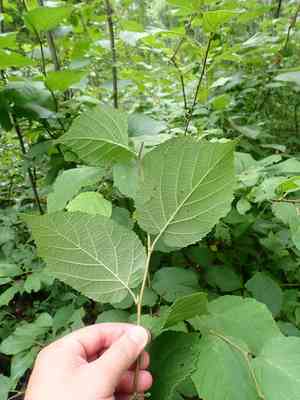
1
American hazelnut offers a plentiful supply of essential nutrients, such as vitamins and minerals.
2
This species contributes beneficially to soil quality and ecological diversity.
3
It serves as a significant asset for local fauna, supplying sustenance and shelter.
Health and Dietary Advantages of American Hazelnut
Why is American Hazelnut a Nutritional Powerhouse?
Rich in vital nutrients, American hazelnut offers an excellent supply of vitamins and minerals like Vitamin E, B vitamins, magnesium, and potassium. These elements are crucial for overall health, bolstering immune function, and contributing to optimal energy. Furthermore, the plant is abundant in beneficial fats, fiber, and antioxidants, which are key in reducing inflammation and safeguarding cells from oxidative harm.
How Can American Hazelnut Be Integrated Into the Diet?
Incorporating American hazelnut into your diet is simple and adaptable. The nuts can be consumed raw, roasted, or added to various dishes such as salads, baked goods, and spreads. They serve as a convenient and wholesome snack, promoting fullness and providing sustained energy. Moreover, the extract from American hazelnut can be utilized in cooking, imparting a rich, nutty taste to meals.
Environmental Advantages of American Hazelnut
How Does American Hazelnut Improve Soil Quality?
American hazelnut plays a vital role in boosting soil fertility and structure. Its extensive root system helps minimize soil erosion and enhance water retention, making it an excellent choice for land restoration initiatives. Additionally, American hazelnut encourages the proliferation of beneficial soil microorganisms, which further improves soil health and supports sustainable farming methods.
What Role Does American Hazelnut Play in Biodiversity?
American hazelnut significantly contributes to local ecosystems by fostering biodiversity. The plant offers sustenance and shelter for a variety of wildlife, including birds, mammals, and insects. This aids in creating a balanced and healthy ecosystem, ensuring the survival and growth of numerous species. Planting American hazelnut can lead to more resilient environments capable of enduring climate change and other ecological threats.
Economic and Cultural Significance of American Hazelnut
What Makes American Hazelnut Economically Valuable?
American hazelnut possesses substantial economic potential, particularly within the agricultural and forestry sectors. The nuts are a commercially valuable commodity, enjoyed by consumers globally. Furthermore, the plant's adaptability and low-maintenance nature make it an appealing option for sustainable farming practices, providing growers with a dependable income source. Its timber is also used in furniture and craft industries, highlighting its diverse economic contributions.
How Is American Hazelnut Culturally Significant?
American hazelnut has been an integral part of various cultures for centuries, often symbolizing abundance and fertility. The nuts have been traditionally used in culinary practices and celebrations, representing nutritional richness and well-being. In some cultures, the plant is also employed in traditional medicine and rituals, emphasizing its deep-rooted importance across different societies.
Conservation and Sustainable Practices Involving American Hazelnut
Why Is Conservation of American Hazelnut Important?
Preserving American hazelnut is crucial for maintaining biodiversity and ecological equilibrium. As development and monoculture farming threaten natural habitats, safeguarding and promoting the growth of American hazelnut can help protect diverse ecosystems. Conservation efforts ensure that future generations can continue to benefit from its ecological, nutritional, and economic values.
How Can We Support Sustainable Practices?
Supporting sustainable practices involves cultivating American hazelnut in agroforestry and permaculture projects. This approach integrates agriculture with conservation efforts, promoting land use that benefits both the environment and local communities. By choosing products that utilize American hazelnut sustainably and backing policies aimed at environmental preservation, individuals can play an active role in fostering sustainability.



