The Kousa dogwood Plant Advantage: Maximizing Home and Office Appeal and Wellness
1
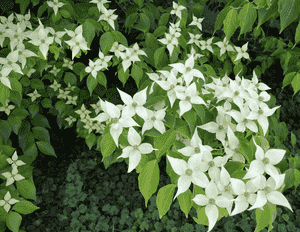
Kousa dogwood yields lovely, star-like blossoms that draw in beneficial insects.
2
This plant is recognized for its striking color shifts throughout the year.
3
It flourishes in various soil conditions, simplifying its cultivation.
Why Select Kousa Dogwood for Your Outdoor Space?
Aesthetic Allure
Kousa dogwood is renowned for its vivid and captivating blossoms, which unfurl in a distinctive star pattern. These visually stunning blooms can enhance the beauty of any garden. Furthermore, the plant's foliage transforms through a spectrum of hues as seasons progress, offering year-round dynamic beauty to your landscape.
Pollinator Attraction
A key advantage of Kousa dogwood is its capacity to draw in pollinators such as bees and butterflies. Its nectar-rich flowers offer a vital food source for these insects, fostering biodiversity and aiding in the preservation of the local ecosystem. Integrating Kousa dogwood into your garden can cultivate a healthier, more vibrant environment.
Cultivating Kousa Dogwood Successfully
Soil and Light Needs
Kousa dogwood flourishes in well-drained soil and can adapt to various soil types, including sandy, loamy, and clay. This adaptability makes it an excellent choice for many gardeners. Moreover, the plant prefers full sun to partial shade, ensuring flexible growing conditions.
Watering and Upkeep
Kousa dogwood has moderate hydration requirements, needing consistent watering during its initial growth phase. Once established, the plant becomes more drought-tolerant, reducing the need for frequent irrigation. Pruning is minimal, typically only required to remove dead or damaged branches, making Kousa dogwood a low-maintenance option for busy gardeners.
What are the Landscape Applications of Kousa Dogwood?
Feature Plant
With its striking blossoms and appealing foliage, Kousa dogwood serves beautifully as a feature plant in any garden or landscape design. It can be planted as a solitary specimen or grouped with other plants to create a focal point.
Wildlife Habitat
Beyond its visual charm, Kousa dogwood contributes to establishing a wildlife-friendly garden. The plant's flowers attract various pollinators, while its berries provide sustenance for birds. Incorporating Kousa dogwood into your landscape can help support local wildlife.
What Seasonal Transformations Does Kousa Dogwood Display?
Spring and Summer
During spring and summer, Kousa dogwood is adorned with its iconic star-shaped flowers, which range from white to pink. These blooms can persist for several weeks, providing continuous visual interest.
Fall and Winter
In the fall, the leaves of Kousa dogwood shift to vibrant shades of red, orange, and purple, creating a stunning spectacle. The plant also produces small, red berries that add a splash of color and appeal as the foliage drops in late fall and winter.
How Does Kousa Dogwood Contribute to Biodiversity?
Encouraging Insect Life
Kousa dogwood's flowers are a rich source of nectar for bees, butterflies, and other pollinators. By planting Kousa dogwood, you're contributing to the sustenance of these vital insects, which play a crucial role in pollinating many other plants in your garden.
Supporting Bird Populations
The red berries produced by Kousa dogwood are a food source for various bird species. Having Kousa dogwood in your garden can attract a variety of birds, helping to maintain a balanced ecosystem and bringing added life and movement to your outdoor space.



