The Giant dogwood Plant Advantage: Maximizing Home and Office Appeal and Wellness
1
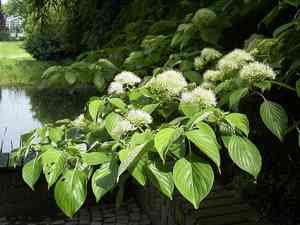
Giant dogwood is recognized for its impressive tiered growth habit, making it a beautiful feature in any outdoor space.
2
This species benefits diverse wildlife, offering sustenance and shelter for avian and insect populations.
3
Giant dogwood flourishes in a range of soil types, enhancing its adaptability across various garden settings.
What Makes Giant dogwood Visually Appealing?
Unique Layered Growth
A prominent characteristic of Giant dogwood is its distinctive tiered growth pattern. Its branches spread horizontally, forming a multi-level structure reminiscent of a wedding cake. This unique layering establishes Giant dogwood as a garden centerpiece, providing an architectural element few other plants can rival.
Seasonal Visual Interest
Giant dogwood offers aesthetic appeal throughout the year. In spring, it produces small, creamy white flower clusters that attract pollinators. During summer, its lush green leaves create a cooling canopy, and in autumn, the foliage transforms into a striking red-purple, presenting a spectacular display. Even in winter, the bare branches of Giant dogwood provide structural beauty.
How Does Giant dogwood Benefit the Ecosystem?
Support for Wildlife
Giant dogwood plays a vital role in supporting local wildlife. Its flowers provide nectar for pollinators like bees and butterflies, while the berries that emerge later in the season are a crucial food source for birds and small mammals. The dense foliage also offers shelter, making it a sanctuary for various species.
Soil and Water Conservation
Giant dogwood contributes to soil and water conservation in multiple ways. The plant's extensive root system helps stabilize soil, reducing erosion. Furthermore, Giant dogwood can thrive in both well-drained and moist soils, making it a versatile choice for diverse landscape needs. Its ability to grow in varied soil conditions also means it can aid in maintaining groundwater levels by promoting water infiltration.
What Are the Practical Benefits of Growing Giant dogwood?
Low Maintenance Requirements
One of the notable practical advantages of cultivating Giant dogwood is its minimal maintenance needs. Once established, Giant dogwood requires little pruning and is relatively resistant to pests. This makes it an attractive option for busy gardeners or those seeking to reduce garden upkeep.
Versatility in Landscaping
Giant dogwood offers significant adaptability for landscaping projects. It can be used as a solitary specimen plant, in groups for a more impactful display, or even as a natural screen or hedge. Its ability to adapt to different soil and light conditions further enhances its desirability for various garden designs.
How to Cultivate Giant dogwood Successfully?
Optimal Planting Conditions
To successfully grow Giant dogwood, it's crucial to consider its preferred growing conditions. Giant dogwood thrives best in partial shade to full sun and prefers well-drained, slightly acidic to neutral soil. It's advisable to plant Giant dogwood in spring or fall to allow it to establish itself before extreme weather conditions.
Care and Maintenance Tips
While Giant dogwood is low maintenance, some care can help it flourish. Regular watering during the initial few years will assist in developing a robust root system. Mulching around the base can help retain moisture and suppress weeds. Occasional pruning can be performed to maintain the desired shape and remove any dead or diseased branches.



