The Pagoda dogwood Plant Advantage: Maximizing Home and Office Appeal and Wellness
1
Pagoda dogwood enriches landscape variety through its appeal across multiple seasons.
2
Draws in fauna, such as avian species and beneficial insects, promoting ecological well-being.
3
Recognized for requiring minimal upkeep, rendering it a favorite among garden enthusiasts.
What Makes Pagoda dogwood Unique?
Distinctive Growth Pattern
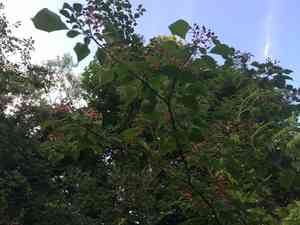
Pagoda dogwood is widely recognized for its unique horizontal branching, which creates a tiered effect, resembling a pagoda. This structure not only gives it ornamental appeal but also makes it a centerpiece in landscaping. The tiered branches are adorned with clusters of small white flowers in spring, followed by bluish-black berries in summer, contributing to its multi-seasonal interest. Additionally, its leaves turn a vibrant red and purple in fall, ensuring visual interest year-round.
Robustness and Adaptability
One of the primary advantages of Pagoda dogwood is its incredible resilience. This plant can thrive in various soil types, including less fertile ones, and it tolerates different moisture levels, from dry to wet conditions. It is also relatively shade-tolerant, making it a versatile choice for many garden settings. This robustness not only makes Pagoda dogwood an excellent choice for novice gardeners but also enhances the biodiversity and stability of the landscape.
How Does Pagoda dogwood Enhance Biodiversity?
Attracting Wildlife
Pagoda dogwood plays a vital role in supporting local wildlife. The small white flowers are a source of nectar for various pollinators, including bees and butterflies, while the berries are a food source for birds. By planting Pagoda dogwood in your garden, you create a microhabitat that supports these creatures, thereby contributing to the overall health of the ecosystem. This plant also provides shelter for small animals and insects, further enhancing its ecological value.
Supporting Pollinators
The flowers of Pagoda dogwood bloom in spring, a critical time for pollinators emerging from winter dormancy. By offering a reliable source of nectar and pollen, Pagoda dogwood helps sustain these essential insects during a crucial period of their life cycle. This support for pollinators not only benefits the plant itself but also has a ripple effect on your garden's productivity. Many plants rely on pollinators for fruit and seed production, so encouraging their presence can improve the overall health and yield of your garden.
What Are the Landscape Uses of Pagoda dogwood?
Ornamental Uses
Due to its unique structure and attractive foliage, Pagoda dogwood is often used as an ornamental plant in gardens and landscapes. It serves well as a standalone specimen or as part of a mixed border. Its multi-seasonal interestâcomprising spring flowers, summer berries, and fall foliageâensures that it remains a focal point throughout the year. Additionally, its elegant form makes it ideal for use in more formal garden designs, where its structured appearance can provide balance and visual interest.
Functional Uses
Pagoda dogwood is not just about aesthetics; it also offers functional benefits. Its dense foliage provides excellent screening and privacy when used as a hedge or buffer planting. Moreover, its adaptability to different soil and moisture conditions makes it suitable for erosion control on slopes and embankments. By planting Pagoda dogwood in strategic locations, you can enhance both the beauty and functionality of your landscape, leveraging its resilience and multi-seasonal interest to create a sustainable garden environment.
How to Care for Pagoda dogwood?
Planting and Soil Requirements
Planting Pagoda dogwood is straightforward. It prefers well-drained soil with a slightly acidic to neutral pH but is tolerant of a wide range of soil types. When planting, ensure that the site receives partial shade to full sun. Dig a hole that is twice the width of the root ball and slightly shallower to prevent water from pooling at the base. Amend the soil with organic matter to improve fertility if needed. Water thoroughly after planting to establish strong roots.
Routine Maintenance
Pagoda dogwood is relatively low-maintenance once established. Regular watering during dry spells will keep the plant healthy, though it is drought-tolerant once mature. Mulching around the base can help retain moisture and suppress weed growth. Pruning is minimal and usually involves removing any dead or crossing branches in late winter or early spring before new growth begins. Fertilization is generally not necessary, but a balanced, slow-release fertilizer can be applied in early spring if growth appears sluggish.



