The Siberian dogwood Plant Advantage: Maximizing Home and Office Appeal and Wellness
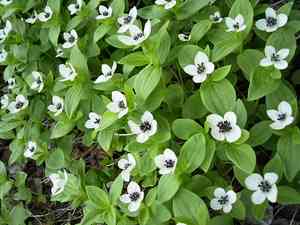
1
The Siberian dogwood is recognized for its vibrant crimson stems, enhancing the aesthetic of winter scenery.
2
This species demonstrates great versatility, flourishing in diverse soil types.
3
Siberian dogwood offers advantages to local fauna, supplying sustenance and refuge for avian species and small creatures.
Why Siberian Dogwood is a Garden Essential
Aesthetic Charm
A key feature of Siberian dogwood is its vivid red stems, which beautifully contrast with winter snow. This distinct trait makes it a popular option for year-round garden and landscape allure. In spring and summer, the plant showcases abundant green leaves, creating a striking visual.
Effortless Upkeep
Siberian dogwood demands minimal care, making it ideal for busy gardeners. It adapts well to various soil types and conditions, including both moist and arid environments. Pruning is simple and can be done annually to maintain its form and enhance the stems' bright red hue.
Siberian Dogwood's Ecological Contributions
Wildlife Sanctuary
Beyond its beauty, Siberian dogwood plays a crucial role in supporting local wildlife. The dense shrub offers excellent cover and nesting spots for birds, while its berries provide sustenance for birds and small mammals. This makes Siberian dogwood a vital addition to any wildlife-friendly garden.
Erosion Prevention
Siberian dogwood also aids in preventing soil erosion. Its extensive root system helps stabilize the ground, making it an excellent choice for planting on slopes or banks. This not only safeguards the landscape but also improves overall soil health.
Optimal Landscaping Uses for Siberian Dogwood
Hedges and Boundaries
Siberian dogwood is perfect for forming natural hedges and borders in your garden. Its dense foliage offers privacy and can serve as a windbreak. Additionally, its vibrant color adds elegance and distinction to property lines and garden edges.
Mixed Plantings
Combine Siberian dogwood with other plants to create a diverse and visually appealing garden. Its contrasting colors and textures integrate well into mixed borders, adding depth and interest to the landscape. Pairing Siberian dogwood with grasses, perennials, and other shrubs can enhance your garden's year-round visual appeal.
Planting and Caring for Siberian Dogwood
Planting Advice
When planting Siberian dogwood, select a spot with full sun to partial shade. Dig a hole twice the width of the root ball and equally deep. Place the plant in the hole, backfill with soil, and water thoroughly. Mulching around the base helps retain moisture and control weeds.
Ongoing Maintenance
Siberian dogwood is drought-tolerant once established, but consistent watering during the initial growing season is essential. Fertilize sparingly, as excessive nutrients can diminish the intensity of the red stem color. Prune in late winter or early spring to remove dead or damaged branches and maintain the desired shape.



