The Whorled tickseed Plant Advantage: Maximizing Home and Office Appeal and Wellness
1
Coreopsis verticillata requires minimal care and flourishes in diverse soil conditions.
2
This species draws helpful pollinators to your outdoor space.
3
Coreopsis verticillata brings vivid hues to garden designs through its colorful blooms.
Why Select Whorled Tickseed for Your Outdoor Space?
Effortless Plant Care
A key attractive quality of Whorled tickseed is its minimal upkeep. This species flourishes across diverse soil compositions, from sandy to clayey, making it highly adaptable to various garden settings. Its robust nature allows it to withstand both arid conditions and occasional excessive watering. Gardeners with limited time for daily plant tending will find Whorled tickseed a practical and gratifying addition.
Drawing in Beneficial Pollinators
Whorled tickseed is especially valued for its capacity to draw advantageous pollinators, such as bees and butterflies, into your garden. These pollinators are vital for garden health by assisting in the fertilization of other plants. The vivid blossoms of Whorled tickseed act as a lure for these crucial creatures, ensuring a vibrant and active garden ecosystem. Cultivating Whorled tickseed can lead to enhanced pollination rates and healthier plants overall.
What Are the Aesthetic Advantages of Whorled Tickseed?
Vibrant Floral Displays
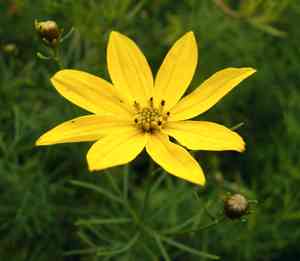
Whorled tickseed is celebrated for its bright, captivating flowers that inject splashes of color into any landscape. Whether arranged in borders, flowerbeds, or as part of a mixed perennial garden, this plant's cheerful blooms can elevate the visual appeal of your outdoor area. The flowers typically persist from early summer until the initial frost, providing extended periods of brilliant color.
Achieving a Naturalistic Appearance
Gardeners aiming for a naturalistic or wildflower garden aesthetic will find Whorled tickseed an ideal choice. Its informal, airy growth habit integrates seamlessly into such environments, offering a smooth blend with other native flora. The delicate, thread-like foliage provides a soft texture that beautifully contrasts with bolder leaf plants, adding depth and interest to the garden's design. Incorporating Whorled tickseed into various garden stylesâfrom cottage gardens to prairie-inspired landscapesâcan yield a harmonious and visually pleasing outcome.
How to Maintain Whorled Tickseed in Your Garden
Planting and Soil Needs
Planting Whorled tickseed is simple, given its tolerance for a range of soil types. However, for optimal development, it's best situated in well-drained soil with ample sunlight. While it can endure partial shade, full sun exposure promotes more abundant flowering. When planting, ensure adequate spacing between plants to allow for proper air circulation, which helps prevent disease.
Watering and Trimming Advice
Whorled tickseed requires moderate irrigation, particularly during root establishment. Once mature, it becomes more drought-resistant and only needs watering during extended dry periods. Avoid overwatering, as it can cause root rot. Pruning is minimal; removing spent flowers will encourage continuous blooming and help maintain a neat appearance. At the close of the growing season, cutting back the stems will prepare the plant for the subsequent growth cycle.
What Are the Ecological Benefits of Whorled Tickseed?
Soil Erosion Prevention
Another significant advantage of Whorled tickseed is its capacity to mitigate soil erosion. The plant's dense root system helps stabilize the soil, making it an excellent option for slopes and areas prone to erosion. By cultivating Whorled tickseed, gardeners can prevent soil loss and foster improved water retention in their gardens.
Fostering Biodiversity
By attracting a variety of pollinators and beneficial insects, Whorled tickseed enhances biodiversity within the garden. This plant aids in creating a balanced ecosystem where predators and prey regulate each other, reducing the necessity for chemical pest control. Furthermore, increased pollinator activity benefits nearby plants, promoting a healthier and more productive garden environment.



