The Large-flowered tickseed Plant Advantage: Maximizing Home and Office Appeal and Wellness
1
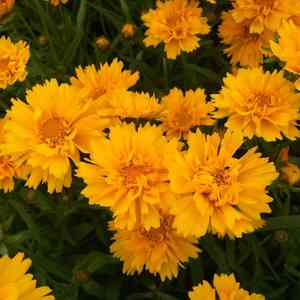
Coreopsis grandiflora is recognized for its bright yellow blooms that draw in beneficial insects.
2
This species requires minimal care and flourishes in diverse soil types.
3
It offers superb ground coverage and aids in preventing soil degradation.
What Makes Coreopsis grandiflora So Special?
Vivid Yellow Blooms
Coreopsis grandiflora is celebrated for its striking, sun-like yellow blossoms that capture attention. These flowers are not only visually appealing but also highly attractive to beneficial insects like bees and butterflies, contributing to your local ecosystem's vitality.
Minimal Upkeep Needs
Beyond its striking appearance, Coreopsis grandiflora requires exceptionally little maintenance. This plant adapts well to various soil types and pH levels, making it a versatile addition to any garden. It can even withstand dry conditions, reducing the need for frequent irrigation.
How Does Coreopsis grandiflora Benefit Garden Ecosystems?
Attracting Pollinators
The bright yellow flowers of Coreopsis grandiflora are a magnet for pollinators. Bees, butterflies, and other helpful insects flock to its blooms, assisting in the pollination of nearby plants. This, in turn, helps to boost your garden's productivity and biodiversity.
Preventing Soil Erosion
Coreopsis grandiflora is excellent for preventing soil erosion. The plant's extensive root system helps to bind the soil, reducing erosion and improving soil health. This makes it an ideal choice for slopes or areas prone to soil degradation.
What are the Landscaping Advantages of Coreopsis grandiflora?
Ground Cover
Thanks to its dense foliage, Coreopsis grandiflora provides effective ground cover. This can help suppress weed growth, reducing the need for herbicides and manual weeding. The plant's mat-forming capability ensures a lush, ground-hugging greenery throughout the growing season.
Flexible Planting Options
Coreopsis grandiflora offers versatile planting options. Whether used as a border plant, in a wildflower meadow, or integrated into a rock garden, it seamlessly fits into various garden styles. Its adaptable nature allows it to thrive alongside a diverse range of other plants.
How to Care for Coreopsis grandiflora?
Ideal Growing Conditions
Coreopsis grandiflora thrives in full sun but can tolerate partial shade. It prefers well-drained soil but is adaptable to different soil types, including sandy or clay soils. Regular removal of spent flowers can prolong the blooming period, encouraging continued floral display.
Watering and Fertilization
Coreopsis grandiflora is drought-tolerant once established, requiring minimal watering. Over-watering can lead to root rot, so it's crucial to let the soil dry out between waterings. Fertilization is generally unnecessary; however, a light application of balanced fertilizer in the spring can promote vigorous growth.



