The Cabbage tree Plant Advantage: Maximizing Home and Office Appeal and Wellness
1
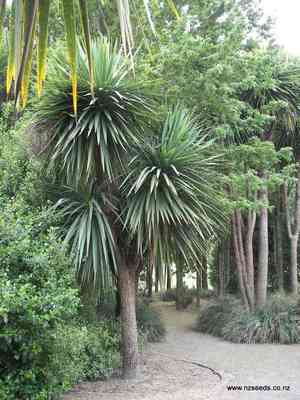
The cabbage tree presents striking aesthetic qualities through its blade-like foliage and impressive stature.
2
This resilient plant tolerates various climatic conditions, simplifying its cultivation.
3
Cabbage trees offer refuge and sustenance to native fauna, thereby enriching the ecological diversity of your outdoor space.
What Makes Cabbage tree Visually Appealing?
Unique and Striking Appearance
The Cabbage tree is recognized for its distinctive sword-like leaves, which can extend several feet. These leaves display various shades of green, occasionally featuring hints of red or purple. This color and texture diversity introduces a dynamic element to any garden, establishing the Cabbage tree as a focal point.
Impressive Height and Structure
A prominent characteristic of the Cabbage tree is its remarkable height. Mature specimens can reach up to 20 meters, providing a dramatic vertical feature in your garden. This towering presence not only adds structure but also acts as a natural division or boundary within your garden area.
How Does Cabbage tree Benefit Local Wildlife?
Shelter for Birds
The dense, umbrella-shaped canopy of the Cabbage tree offers excellent refuge for various bird species. Birds seek shelter in its branches, utilizing them as nesting sites and safe havens from predators. This introduces a chorus of bird songs to your garden, enhancing the overall outdoor experience.
Food Source for Insects
The Cabbage tree also serves as a crucial food source for insects like bees and butterflies. The plant produces small, fragrant blossoms that attract pollinators. By cultivating the Cabbage tree, you contribute to the local ecosystem's health by supporting essential pollination activities vital for plant reproduction.
Why Is Cabbage tree Low-Maintenance and Resilient?
Tolerance to Varied Weather Conditions
The Cabbage tree is exceptionally robust and can endure a wide array of weather conditions, including frost, wind, and drought. Its resilience makes it an ideal choice for gardeners in areas with fluctuating climates. You won't need to worry about extensive care or replacement, as the Cabbage tree can thrive in diverse environments.
Minimal Watering and Upkeep
Once established, the Cabbage tree requires minimal irrigation, making it an environmentally friendly option for those aiming to conserve water. Its deep root system enables it to access water sources far below the surface, reducing the need for frequent watering. This low-maintenance quality frees up your time for other gardening tasks while still enjoying a lush, flourishing plant.
How Can Cabbage tree Enhance Your Gardenâs Aesthetic?
Perfect for Border Planting
With its tall, straight trunk and dramatic foliage, the Cabbage tree is ideal for border planting. It can be used to define pathways, garden edges, or to create natural separations between different garden zones. This structured planting not only looks visually appealing but also provides functional boundaries.
Complementary to Other Plants
The Cabbage tree pairs well with various other plants, from low-growing shrubs to vibrant perennials. Its striking form and height create an excellent backdrop for shorter plants, adding depth and dimension to your garden design. By combining the Cabbage tree with other species, you can cultivate a diverse and visually stimulating garden.
Can Cabbage tree Be Grown in Containers?
Adaptability to Potted Life
Yes, the Cabbage tree can be successfully cultivated in large containers, making it a versatile plant suitable for patios, balconies, and indoor spaces. When potted, it offers the same aesthetic and ecological advantages as when planted in the ground.
Care Tips for Container Growth
When growing the Cabbage tree in a container, ensure the pot is sufficiently large to accommodate its expanding roots and provides adequate drainage to prevent waterlogging. Use a well-draining soil mix and position the pot in a spot where the plant can receive ample sunlight. Regularly check for pests and ensure the soil remains moist but not saturated.



