The Blue mistflower Plant Advantage: Maximizing Home and Office Appeal and Wellness
1
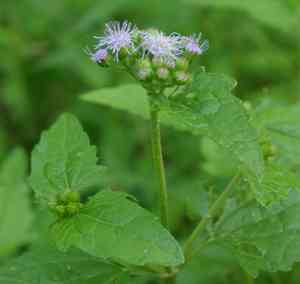
A diverse range of pollinators are drawn to blue mistflower, boosting your garden's ecological variety.
2
Blue mistflower flourishes in full sun or partial shade, offering flexibility for various garden locations.
3
Blue mistflower is simple to grow and care for, perfect for both new and seasoned gardeners.
What Makes Blue mistflower Special?
Attracts Pollinators
A key characteristic of Blue mistflower is its capacity to draw in diverse pollinators, such as bees, butterflies, and hummingbirds. Its vivid blue blossoms act as a magnet for these creatures, enhancing your garden's overall biodiversity. Pollinators are vital for the reproduction of many plant species. By cultivating Blue mistflower, you not only beautify your garden but also support the local ecosystem.
Adaptability and Versatility
Blue mistflower is remarkably flexible and can flourish in various conditions, from full sun to partial shade. This adaptability makes it an excellent option for different areas of your garden. Whether you have a sunny spot needing color or a shaded area requiring brightening, Blue mistflower is suitable. Its resilience also means it's relatively low-maintenance once established.
How to Grow Blue mistflower in Your Garden
Optimal Growing Conditions
For best results, plant Blue mistflower in soil that drains well. While it tolerates various soil types, it thrives in slightly acidic to neutral pH levels. Ensure the planting area has good air circulation to prevent fungal issues. Watering should be regular but not excessive; the soil should stay moist but not waterlogged.
Planting and Care Instructions
Begin by choosing a site that receives at least a few hours of direct sunlight daily. Dig a hole twice the size of the plant's root ball, place the plant, and backfill with soil. Water thoroughly after planting. Applying mulch around the plant's base can help retain soil moisture and suppress weeds. Removing spent flowers will encourage continuous blooming and prevent the plant from becoming leggy.
Why Choose Blue mistflower for Sustainable Gardening?
Low Maintenance Requirements
A most appealing aspect of Blue mistflower for sustainable gardening is its minimal care needs. Once established, it requires little watering and is quite drought-tolerant. This makes it an excellent choice for environmentally conscious gardeners aiming to reduce water usage without compromising garden beauty.
Minimal Pest and Disease Issues
Blue mistflower is generally resistant to most pests and diseases, making it a robust garden choice. Its natural resilience means you won't need chemical pesticides, contributing to a healthier garden environment. Additionally, its ability to attract beneficial insects can help control pest populations, fostering a balanced ecosystem.
Additional Benefits of Blue mistflower
Erosion Control
Blue mistflower possesses a strong root system that aids in erosion control, making it a valuable plant for sloped garden areas. Its roots help stabilize the soil, preventing erosion and promoting better water retention. This can be especially beneficial in regions prone to heavy rainfall.
Aesthetic Appeal
Beyond its ecological advantages, Blue mistflower offers significant visual appeal. Its clusters of blue flowers provide a striking contrast to the greens and other colors in your garden, creating a beautiful landscape. Its extended blooming period ensures your garden remains vibrant throughout the growing season.
Can Blue mistflower Be Used in Companion Planting?
Compatible Plants
Yes, Blue mistflower works well in companion planting. It pairs beautifully with various plants, including other perennials like Rudbeckia and Echinacea. Its blue flowers offer a lovely contrast to the yellow and pink hues of these plants, creating a harmonious and visually pleasing garden arrangement.
Benefits of Companion Planting
Companion planting with Blue mistflower can improve the health and growth of nearby plants. It attracts beneficial insects that help control pests, reducing the need for chemical interventions. Furthermore, the dense foliage of Blue mistflower can act as a natural mulch, helping to retain soil moisture and suppress weed growth around its companion plants.



