The Commelina Plant Advantage: Maximizing Home and Office Appeal and Wellness
1
Commelina contributes to better soil health and stops erosion in your garden.
2
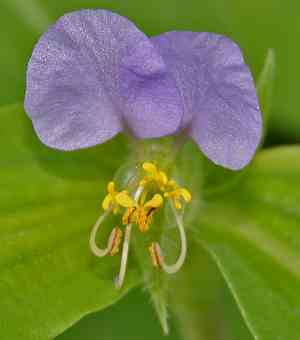
Commelina is recognized for its lovely blue blooms, enhancing the beauty of any area.
3
This plant needs little care, perfect for gardeners with limited time.
How Does Commelina Improve Soil Quality?
Natural Soil Enhancer
Commelina functions as a natural soil improver, significantly enhancing soil structure and fertility. Its root system penetrates deep into the earth, breaking up compacted soil and promoting aeration. This facilitates better water absorption and lessens surface runoff, which can minimize erosion. The decaying plant matter also adds organic material to the soil, enriching it with vital nutrients.
Prevention of Soil Erosion
A key advantage of Commelina is its capacity to prevent soil erosion. The plantâs strong root network firmly anchors the soil, reducing topsoil loss during heavy rainfall. This erosion control is vital for maintaining soil health and ensuring the longevity of your garden or landscape. By stabilizing the soil, Commelina helps create a more sustainable and resilient environment.
What Are the Aesthetic Benefits of Commelina?
Enhanced Visual Appeal
Commelina is widely appreciated for its striking blue blooms that flower abundantly under favorable conditions. These vibrant blossoms can boost the visual attractiveness of any garden, creating a picturesque and inviting space. Whether utilized in flower beds, borders, or as ground cover, Commelina adds a burst of color that can transform the overall atmosphere of your outdoor areas.
Attractive Ground Cover
Beyond its charm as a flowering plant, Commelina serves as an appealing ground cover. Its lush foliage spreads across the soil, forming a dense and green carpet that can be aesthetically pleasing. This ground cover not only beautifies the garden but also aids in suppressing weeds, reducing the need for frequent weeding and pesticide application.
Why is Commelina a Low-Maintenance Plant?
Minimal Watering Requirements
Commelina is recognized for its drought-resistant characteristics, making it an ideal choice for areas with water scarcity or for gardeners who prefer plants requiring little upkeep. Once established, Commelina needs minimal irrigation, surviving on natural precipitation in most instances. This trait makes it an eco-friendly addition to any garden.
Ease of Propagation
Another significant benefit of Commelina is its simple propagation. This plant can be easily multiplied through its tubers or by dividing clumps, allowing gardeners to expand their plant collections with minimal effort and expense. The ability to propagate Commelina effortlessly makes it an accessible option for both novice and experienced gardeners.
What Ecological Benefits Does Commelina Offer?
Habitat for Pollinators
Commelina offers a valuable habitat and food source for various pollinators, including bees and butterflies. These insects play a crucial role in pollinating other plants, contributing to the health and biodiversity of your garden ecosystem. By planting Commelina, you can help support these important creatures and foster a more vibrant and dynamic garden environment.
Biodiversity Promotion
In addition to supporting pollinators, Commelina promotes overall biodiversity by creating a more varied and robust ecosystem. The plantâs presence can attract a range of beneficial insects and wildlife, fostering a balanced natural habitat. This biodiversity can lead to healthier plant growth and reduced pest outbreaks, benefiting your entire garden.



