The Lesser calamint Plant Advantage: Maximizing Home and Office Appeal and Wellness
1
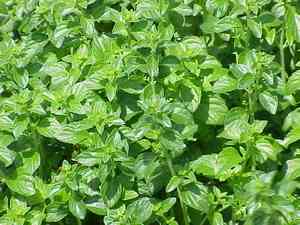
Lesser calamint is a hardy perennial plant perfect for boosting garden variety.
2
It provides fragrant properties that can invigorate any outdoor area.
3
Its blossoms draw in helpful pollinators such as bees and butterflies.
Why Cultivate Lesser Calamint in Your Garden?
Effortless Cultivation
Lesser calamint is a resilient plant, thriving in diverse conditions, making it ideal for gardeners of all experience levels. It flourishes in well-drained soil and tolerates both full sun and partial shade. Once established, it needs minimal care, making it a perfect choice for those seeking an easy-to-maintain plant for their garden.
Visual Appeal
The charm of Lesser calamint lies in its delicate, lavender-hued blossoms, which create a picturesque scene in any garden. Its abundant green foliage provides a rich contrast, making it a visually pleasing addition. This plant blooms from late summer into fall, ensuring your garden stays vibrant even as seasons shift.
What Are the Ecological Advantages of Lesser Calamint?
Attracts Pollinators
Lesser calamint acts as a magnet for vital pollinators like bees and butterflies. Its flowers are a rich source of nectar, providing these crucial insects with necessary sustenance. In turn, the presence of pollinators aids in the fertilization of other plants in your garden, fostering overall plant health and productivity.
Boosts Biodiversity
By planting Lesser calamint, you actively contribute to enhancing biodiversity in your garden. A diverse garden ecosystem is more resistant to pests and diseases, reducing the need for chemical interventions. The robust nature of Lesser calamint makes it an excellent companion plant, supporting the growth and health of various other plants.
How Can Lesser Calamint Enhance Your Well-being?
Fragrant Qualities
One of the most delightful aspects of Lesser calamint is its aromatic properties. Its leaves and flowers release a refreshing scent that can lift your spirits and create a tranquil garden environment. Incorporating fragrant plants like Lesser calamint in your garden can have a calming effect, transforming your outdoor space into a haven of relaxation.
Natural Pest Deterrent
Lesser calamint possesses inherent pest-repellent qualities, helping to keep unwanted insects away. Its strong aroma deters pests such as mosquitoes, providing a more pleasant outdoor experience. By acting as a natural insect repellent, Lesser calamint helps maintain a healthy garden without relying on chemical solutions.
How to Incorporate Lesser Calamint in Landscaping?
Border Plant
Due to its compact size and attractive foliage, Lesser calamint serves as an excellent border plant. It can be used to define pathways or garden edges, adding a structured yet natural look to your landscape. Its extended flowering period ensures that your garden borders remain colorful throughout the growing season.
Container Cultivation
Lesser calamint is also well-suited for container gardening, allowing you to bring its beauty and benefits to balconies, patios, or even indoor spaces. Potted Lesser calamint can be easily relocated, adapting to your garden design needs. Its adaptability makes it a versatile option for various gardening styles.
Advice for Successfully Growing Lesser Calamint
Planting Instructions
To successfully cultivate Lesser calamint, begin by planting it in well-drained soil. If planting in the ground, ensure the area receives ample sunlight for optimal growth. For container gardening, select a pot with good drainage to prevent waterlogging. Water the plant regularly but ensure the soil dries out between watering sessions.
Pruning and Upkeep
Pruning Lesser calamint is crucial to maintain its shape and encourage new growth. Trim the plant back after the flowering season to remove spent blooms and dead foliage. Regular pruning helps keep the plant healthy and promotes a fuller, more vibrant appearance. Additionally, mulching around the base can help retain soil moisture and suppress weeds.



