The Summersweet Plant Advantage: Maximizing Home and Office Appeal and Wellness
1
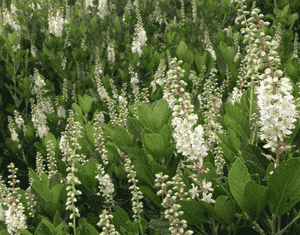
Clethra alnifolia draws in numerous helpful pollinators such as bees and butterflies.
2
This easy-to-care-for shrub flourishes in full sun as well as dappled light.
3
Clethra alnifolia offers charming, aromatic flowers all through the summer season.
Why Summersweet is an Excellent Garden Plant
Draws Beneficial Pollinators
A key attribute of Summersweet is its capacity to attract pollinators like bees and butterflies. The plant's fragrant blossoms act as a lure for these helpful insects, assisting in the pollination of your garden. By growing Summersweet, you can foster a flourishing ecosystem that supports both your plants and local wildlife.
Effortless Upkeep
Summersweet is a resilient, easy-to-care-for shrub that needs minimal attention once settled. It thrives in various soil types, from sandy to clay, and tolerates both sun and partial shade, making it a flexible option for diverse garden conditions. This hardiness means you can enjoy a beautiful garden without excessive time and effort on plant care.
Summersweet's Aesthetic and Sensory Advantages
Aromatic Blooms Throughout Summer
Summersweet is highly valued for its continuous summer flowering. The plant produces clusters of small, white to pink, fragrant flowers that can brighten any garden. The pleasant scent not only makes your garden a more enjoyable place to spend time but also adds a sensory delight for visitors and homeowners alike.
Adaptable Landscaping Choices
Summersweet serves as a versatile plant that integrates well into various landscaping designs. Whether you aim to create a dense hedge, a garden focal point, or a backdrop for other shrubs and flowers, Summersweet can adapt to meet your needs. Its compact, bushy form and attractive foliage make it easy to incorporate into different garden layouts.
Environmental Benefits of Cultivating Summersweet
Erosion Prevention
Summersweet possesses a strong root system that aids in soil stabilization, making it an excellent plant for preventing erosion. If you have garden areas prone to erosion or situated on a slope, planting Summersweet can help maintain soil integrity and prevent runoff.
Supports Local Wildlife
Beyond attracting pollinators, Summersweet provides a habitat for various insects and small animals. Birds may visit the plant for shelter or to feed on insects drawn by its flowers. By including Summersweet in your garden, you contribute to the overall health and biodiversity of your local environment.
Summersweet Care and Maintenance Guide
Planting Instructions
Planting Summersweet is straightforward. When selecting a location, ensure the soil drains well. If planting multiple shrubs, space them adequately for growth, typically 3 to 6 feet apart. Early spring or fall are ideal planting times, allowing roots to establish before extreme weather.
Watering and Trimming
Once established, Summersweet requires moderate watering, especially during dry periods to keep the soil moist but not waterlogged. Pruning should occur in late winter or early spring to shape the plant and remove any dead or broken branches. This not only keeps your Summersweet looking its best but also encourages healthy growth and flowering.



