The Bleeding-heart vine Plant Advantage: Maximizing Home and Office Appeal and Wellness
1
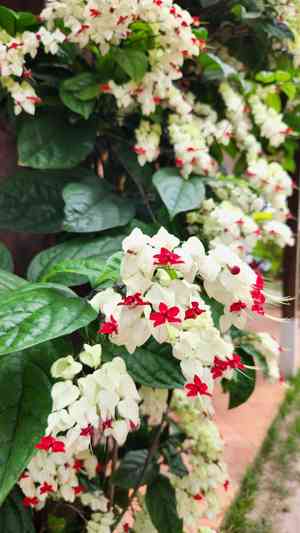
The bleeding-heart vine elevates the beauty of any garden through its vivid blooms.
2
It draws in beneficial insects such as butterflies and birds, fostering ecological diversity.
3
Appropriate for cultivation indoors or outdoors, it introduces lush foliage to any setting.
Why Select Bleeding-heart Vine for Your Garden?
Beauty and Adaptability
Bleeding-heart vine is renowned for its striking appearance, featuring colorful and vivid blossoms that effortlessly enhance the visual charm of any garden or indoor area. Its distinct heart-shaped flowers make it a favorite among gardeners aiming to add a unique element to their plant collection. Moreover, Bleeding-heart vine is highly adaptable; it thrives in various environments, from hanging baskets and containers to expansive garden beds. This flexibility makes it a convenient option for both new and experienced gardeners.
Fosters Biodiversity
A significant benefit of integrating Bleeding-heart vine into your garden is its capacity to attract pollinators. The plant's vibrant flowers act as a magnet for butterflies, hummingbirds, and other beneficial insects. By drawing these pollinators into your garden, you not only contribute to the ecosystem's well-being but also encourage the growth and blooming of other nearby plants. This natural synergy underscores the ecological value of Bleeding-heart vine, making it a valuable addition to any biodiversity-focused garden.
Caring for Bleeding-heart Vine: Advice and Optimal Methods
Ideal Growing Conditions
Bleeding-heart vine flourishes best in settings that mimic its native habitat. It prefers well-draining soil rich in organic matter, which helps ensure roots receive sufficient oxygen while preventing waterlogging. Regarding light needs, Bleeding-heart vine enjoys bright, indirect sunlight. Direct exposure to midday sun can be harsh on the plant, especially in areas with intense heat. Therefore, positioning it where it gets filtered sunlight or partial shade is ideal for its development.
Watering Requirements and Fertilization
Appropriate watering is vital for the healthy development of Bleeding-heart vine. The soil should remain consistently moist, but not saturated. During the active growth period, a balance must be maintained to avoid both insufficient and excessive watering. For fertilization, applying a balanced, slow-release fertilizer during the growing season can support vigorous growth and abundant flowering. Over-fertilization should be avoided as it may lead to nutrient imbalances and negative impacts on the plant's health.
Advantages of Bleeding-heart Vine for Indoor Spaces
Air Purification
Beyond outdoor gardening, Bleeding-heart vine offers considerable benefits when cultivated indoors. A key advantage is its air-cleansing properties. Like many green plants, Bleeding-heart vine can remove harmful toxins from the air, such as formaldehyde and benzene, thereby contributing to a healthier indoor environment. Choosing to place Bleeding-heart vine in your living areas can lead to improved air quality, which is particularly beneficial for individuals who spend a significant amount of time indoors.
Mood Enhancement
The presence of plants like Bleeding-heart vine in indoor settings has been linked to improved mental well-being. The vibrant colors and lush foliage can elevate the aesthetic appeal of any indoor space, creating a calming and refreshing atmosphere. Studies indicate that interacting with plants and having greenery nearby can reduce stress levels and boost overall mood. Thus, incorporating Bleeding-heart vine into your indoor decor can provide both aesthetic and psychological advantages.
How to Successfully Propagate Bleeding-heart Vine?
Propagation via Cuttings
One of the simplest and most effective methods to propagate Bleeding-heart vine is through stem cuttings. To begin, select a healthy stem approximately 4-6 inches long, ensuring it has several leaves. Cut just below a node and remove the lower leaves. Place the cutting in a container of water or directly into a pot filled with a well-draining growing medium. Ensure the container is kept in a warm, brightly lit area but away from direct sunlight. With proper care, the cutting should develop roots within a few weeks.
Ensuring Successful Transplantation
Once the cuttings have established roots, they can be moved to their permanent location. Choose a pot or garden spot that meets the plant's requirements for soil and light. Gently remove the cutting from its initial container, taking care not to harm the delicate new roots. Plant it in the prepared soil, and water thoroughly to help settle the roots. Continue to monitor the young plant closely during the first few weeks, ensuring it receives adequate water and care as it adapts to its new environment.



