The Farewell to spring Plant Advantage: Maximizing Home and Office Appeal and Wellness
1
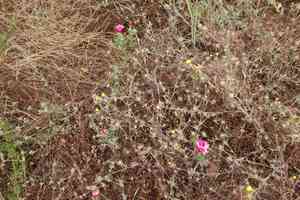
Clarkia amoena is celebrated for its striking flowers, making it a popular choice for gardens.
2
This species draws in helpful pollinators such as bees and butterflies.
3
Clarkia amoena needs little care, making it ideal for those new to gardening.
Why Incorporate Farewell to Spring into Your Garden?
Inherent Visual Appeal
A primary reason Farewell to Spring garners interest is its striking look. Its blossoms appear in various shades, including pink, purple, and white, forming a vibrant display in any garden. Their petals often possess a delicate, silky texture that shimmers in sunlight, adding an undeniable visual charm.
A Sanctuary for Pollinators
Farewell to Spring isn't solely about aesthetics; it plays a vital role in bolstering your garden's ecosystem. Its vivid flowers attract numerous pollinators, such as bees and butterflies. These insects are crucial for the fertilization of many plants, ensuring a flourishing and productive garden. By planting Farewell to Spring, you aid your local environment's well-being.
Minimal Upkeep, Significant Reward
Gardening can sometimes be demanding, but Farewell to Spring offers a respite. This plant requires relatively little maintenance once established. It thrives in well-drained soil and tolerates both full sun and partial shade, making it a versatile addition to diverse garden settings. Whether you're an experienced gardener or a novice, Farewell to Spring promises great returns with minimal effort.
Combating Soil Erosion
An often-overlooked advantage of cultivating Farewell to Spring is its contribution to soil health. The plant's extensive root system helps stabilize the soil, reducing erosion. This makes Farewell to Spring an excellent choice for areas prone to soil degradation, ensuring your garden remains lush and fertile.
Adaptability in Garden Design
Farewell to Spring is incredibly adaptable, fitting seamlessly into various garden designs. Whether you aim to create a wildflower meadow, a structured border, or a container garden, Farewell to Spring can align with your vision. Its ability to complement other plants while standing out makes it a valuable asset to any garden theme.
Optimizing Farewell to Spring Cultivation for Peak Growth
Selecting the Ideal Spot
For Farewell to Spring to thrive, choosing the right location is essential. It prefers spots with ample sunlight but can also endure partial shade. Ensure the soil drains well, as overly saturated conditions can impede its development.
Planting and Spacing Guidelines
When planting Farewell to Spring, it's crucial to sow seeds or seedlings at the correct time – typically in early spring. Space the plants adequately to allow for proper air circulation, which minimizes the risk of fungal infections. A spacing of about 12-18 inches should suffice.
Watering and Nutrient Provision
Farewell to Spring doesn't need frequent watering once established, but during its initial growth phase, consistent moisture is vital. Ensure the soil stays damp but not waterlogged. For fertilization, a balanced, all-purpose fertilizer applied during the growing season will encourage healthy blooms.
Trimming and Deadheading Practices
To maintain Farewell to Spring's aesthetic appeal, regular trimming and deadheading are advised. Removing spent flowers encourages the plant to produce more blooms and extends the flowering period. Additionally, pruning helps manage the plant's shape and size, ensuring it remains an attractive garden feature.
Pest and Disease Management
While Farewell to Spring is quite resilient, it can occasionally succumb to common garden pests like aphids and spider mites. Regularly inspecting the plant and employing organic pest control methods can help keep these nuisances at bay. Ensuring good air circulation and avoiding overhead watering can also prevent fungal diseases from taking hold.
Environmental Advantages of Farewell to Spring
Fostering Biodiversity
By introducing Farewell to Spring into your garden, you actively support biodiversity. The plant provides habitat and food sources for various insects and small wildlife. This not only enhances your garden's ecological balance but also contributes to the broader health of local ecosystems.
Natural Pest Control
Another significant environmental benefit of Farewell to Spring is its role in natural pest control. By attracting beneficial insects like ladybugs and lacewings, which prey on garden pests, Farewell to Spring helps maintain a natural balance, reducing the need for chemical pesticides that can harm the environment.
Improving Air Quality
Plants like Farewell to Spring play a crucial role in maintaining air quality. They absorb carbon dioxide and release oxygen through photosynthesis, contributing to cleaner and fresher air. Additionally, their foliage can trap dust and other particulates, further improving the air quality around your home.



