The Hardy orange Plant Advantage: Maximizing Home and Office Appeal and Wellness
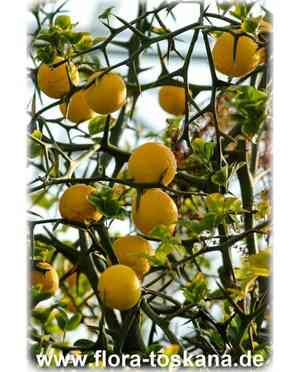
1
The trifoliate orange exhibits strong resilience to low temperatures and flourishes across diverse environmental conditions.
2
This plant yields aromatic blossoms that draw in advantageous pollinators.
3
Trifoliate orange is recognized for its suitability in creating natural barriers and ornamental garden layouts.
What Makes Hardy orange Unique?
Cold Resistance
Hardy orange is well-known for its exceptional ability to endure low temperatures, making it a perfect option for gardeners in colder climates. Unlike other citrus plants that struggle in freezing conditions, Hardy orange can withstand temperatures as low as -10 degrees Fahrenheit. This cold-hardiness extends its usefulness beyond typical citrus-growing regions, allowing for wider cultivation possibilities.
Fragrant Blooms
The sweet-smelling white flowers of Hardy orange are not only visually appealing, but they also serve a vital ecological role. These aromatic blossoms attract various beneficial pollinators, such as bees and butterflies, fostering a healthy garden ecosystem. Furthermore, the blooming period offers an aesthetic charm that enhances the garden's overall beauty.
Versatile Utilization
Hardy orange is highly valued for its adaptability in landscape design. Its thick, thorny branches make it an excellent choice for natural barriers, providing privacy and security without the need for artificial fences. Moreover, the plant's visual appeal is employed in various decorative schemes, boosting the aesthetic charm of gardens and public areas.
How to Grow Hardy orange Successfully?
Soil Requirements
Hardy orange thrives in well-drained, slightly acidic to neutral soil. It is essential to ensure good drainage to prevent root rot, which can be a common problem in poorly draining soils. Adding organic matter, such as compost or aged manure, can improve soil structure and fertility, supplying the necessary nutrients for robust plant growth.
Sunlight and Water
Like most citrus plants, Hardy orange needs full sunlight for optimal development. Ensuring it receives at least six hours of direct sunlight daily will promote vigorous growth and abundant flowering. Regarding watering, Hardy orange prefers a moderate irrigation schedule. It is crucial to water deeply and less often rather than lightly and frequently to encourage deep root development.
What Pests and Diseases Affect Hardy orange?
Common Pests
Hardy orange is relatively pest-resistant; however, it can occasionally fall victim to common garden pests like aphids, scale insects, and spider mites. Regular observation and prompt action are vital to manage these infestations effectively. Introducing natural predators, such as ladybugs and lacewings, can help keep pest populations in check, reducing the need for chemical treatments.
Disease Management
While Hardy orange is resistant to many common citrus diseases, it is not entirely immune. Issues such as citrus canker and root rot can present challenges. Implementing good cultural practices, such as proper spacing to ensure adequate air circulation and avoiding overhead watering, can significantly lower the risk of disease. Additionally, selecting disease-resistant varieties and maintaining plant health through proper nutrition and care are crucial strategies for disease management.
How Can You Use Hardy orange in Landscaping?
Natural Hedging
One of the prominent features of Hardy orange is its dense and thorny branches, making it an excellent choice for natural hedging. It provides an effective and visually pleasing barrier that can enhance privacy and security in residential and commercial landscapes. When planted in a row, Hardy orange forms an impenetrable hedge that deters intruders and keeps unwanted animals away.
Ornamental Uses
Hardy orange is also valued for its decorative appeal. The unique trifoliate leaves, fragrant flowers, and bright orange fruit create a stunning visual display. It can be used as a focal point in garden beds, planted along walkways, or grown in containers to add a touch of elegance to patios and balconies. The plant's robust nature and minimal maintenance requirements make it a popular choice for enhancing the aesthetic appeal of various outdoor spaces.



