The Tree spinach Plant Advantage: Maximizing Home and Office Appeal and Wellness
1
Tree spinach offers a wealth of vital nutrients, positioning it as a dietary powerhouse.
2
Its adaptability in cooking is well-recognized, enhancing a range of meals.
3
Cultivating Tree spinach presents little difficulty, suitable for novice growers.
What Nutritional Advantages Does Tree Spinach Provide?
Abundant in Vitamins and Minerals
Tree spinach is a powerhouse of vital nutrients. It's packed with vitamins A, C, and K, crucial for vision, skin health, and blood clotting. Furthermore, it contains significant amounts of potassium, magnesium, and iron. These minerals are essential for overall bodily functions, including muscle contraction, nerve activity, and red blood cell formation. Including Tree spinach in your diet ensures a balanced nutrient intake.
Rich in Antioxidants
Antioxidants are key in safeguarding the body from oxidative stress and inflammation. Tree spinach is abundant in flavonoids and other antioxidant compounds that help lower the risk of chronic illnesses, such as heart disease and cancer. By neutralizing free radicals, these antioxidants aid in maintaining cellular health and slowing the aging process.
How Can Tree Spinach Be Utilized in Cooking?
Culinary Versatility
Tree spinach can be incorporated into a wide array of dishes, making it a flexible addition to any kitchen. Its leaves can be eaten raw in salads, offering a crisp and nutritious texture. When cooked, Tree spinach can be added to soups, stews, and stir-fries, blending seamlessly with various flavors. Its subtly nutty taste enhances the overall flavor profile of any dish, making it a favorite among chefs and home cooks alike.
A Healthier Alternative to Regular Spinach
Due to its high nutrient density, Tree spinach is often considered a more healthful option than regular spinach. Unlike spinach, which contains oxalates that can hinder calcium absorption, Tree spinach has lower oxalate levels, making it a better choice for those concerned about kidney stones or calcium uptake. Substituting Tree spinach for regular spinach in recipes not only diversifies your diet but also boosts its nutritional value.
Why Is Tree Spinach Ideal for Home Cultivation?
Simple to Cultivate
For those interested in home gardening, Tree spinach is an excellent selection. It is relatively easy to grow, requiring minimal upkeep. The plant thrives in well-drained soil and can withstand various climatic conditions. Whether you have a small balcony garden or a larger backyard, Tree spinach can be a rewarding addition to your greenery. Its rapid growth rate means you can enjoy its benefits sooner than many other plants.
Aesthetic Appeal
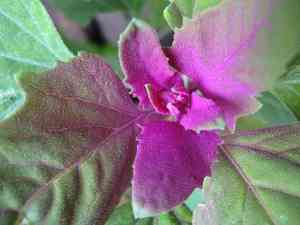
Beyond its nutritional and culinary benefits, Tree spinach is also a visually pleasing plant. Its vibrant magenta leaves add a splash of color to any garden, making it not just a functional plant but also an ornamental one. Growing Tree spinach can enhance the aesthetic appeal of your garden, providing a dual purpose of beauty and health benefits.
What Other Compelling Advantages Does Tree Spinach Offer?
Environmental Contributions
Tree spinach positively impacts the environment. It is known for its capacity to improve soil health, thanks to its root systems that assist in soil aeration and nutrient recycling. Additionally, using Tree spinach in crop rotation practices can benefit other plants by reducing pests and diseases, thereby fostering a healthier garden ecosystem.
Economic Benefits
Cultivating Tree spinach can also provide financial advantages. Given its easy growth and rapid development, Tree spinach can be a cost-effective method to obtain fresh, organic produce without the high cost of store-bought superfoods. Furthermore, excess yields can be sold in local markets, offering an additional income source for home gardeners.
How Does Tree Spinach Support Sustainable Living?
Reducing Carbon Footprint
Incorporating Tree spinach into your diet and garden can contribute to a more sustainable lifestyle. Growing your own food lessens the need for commercial farming practices that often involve significant carbon emissions. By cultivating Tree spinach at home, you are taking a step towards reducing your overall carbon footprint and contributing to a more sustainable food system.
Promoting Local Agriculture
Embracing Tree spinach also supports local agriculture. By purchasing seeds or seedlings from local nurseries and sharing your produce within the community, you are fostering a local food network. This not only promotes sustainable agricultural practices but also strengthens community bonds and shared knowledge in gardening and healthy living.



