The Northern sea oats Plant Advantage: Maximizing Home and Office Appeal and Wellness
1
Chasmanthium latifolium offers continuous aesthetic appeal due to its attractive seed clusters.
2
This decorative grass is remarkably versatile and flourishes in diverse soil types.
3
Chasmanthium latifolium aids native fauna by supplying refuge and sustenance for avian species.
What Are the Visual Advantages of Northern sea oats?
Distinctive Appearance
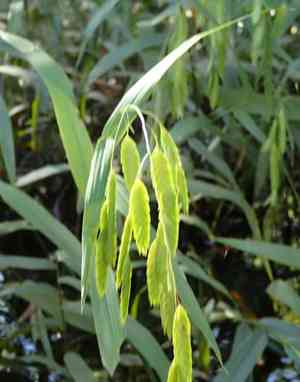
A prominent characteristic of Northern sea oats is its graceful, pendulous seed heads. These seed heads bear a resemblance to oats, which is the origin of the plant's common name. The foliage begins as a vibrant green and shifts to a rich bronze in autumn, providing dynamic color to your garden across the seasons. Its delicate, arching shape can instill a sense of motion and fluidity, enhancing the visual appeal of any outdoor space.
Continuous Appeal
Northern sea oats offers aesthetic value throughout the entire year. In summer, its green leaves and unique seed heads sway gently in the breeze. As fall arrives, the foliage adopts golden tones, followed by a lovely bronze in winter. Even during colder months, the seed heads remain intact, adding texture and visual interest when most other plants have faded.
How Does Northern sea oats Benefit Local Wildlife?
Avian Food Source
The seed heads of Northern sea oats are not only beautiful; they also serve as a valuable food source for birds. Sparrows, finches, and other seed-eating birds are drawn to its seed heads, making it an excellent addition to gardens designed to support local wildlife. By cultivating Northern sea oats, you can contribute to the local ecosystem and enjoy bird watching directly from your garden.
Habitat and Refuge
Beyond providing sustenance, Northern sea oats also offers shelter to various small animals and insects. Its dense clusters create a safe haven for birds and beneficial insects, aiding in the maintenance of a balanced garden ecosystem. The plant's foliage provides cover and protection for these creatures, particularly during the winter months when other plants may not be as accommodating.
What Are the Practical Benefits of Northern sea oats in Landscape Design?
Effortless Upkeep
Northern sea oats is well-known for its minimal maintenance requirements. Once established, it is drought-tolerant and can flourish in various soil types, including clay, loam, and sandy soils. It needs little fertilization and can tolerate partial shade to full sun, making it an excellent choice for busy gardeners or those new to landscaping.
Soil Stabilization
The robust root system of Northern sea oats helps to anchor soil and prevent erosion. This makes it an ideal option for planting on slopes or in areas prone to soil degradation. Its dense foliage and clumps also act as a barrier, reducing the impact of heavy rains and minimizing soil runoff. Planting Northern sea oats can therefore play a crucial role in preserving the integrity of your landscape.
How to Integrate Northern sea oats Into Your Garden Plan?
As a Central Feature
Northern sea oats can be utilized as a striking focal point in your garden due to its distinctive appearance. Position it in a prominent spot where its seed heads and graceful form can be fully appreciated. Whether you're designing a modern landscape or a traditional garden, Northern sea oats can add a touch of elegance and sophistication.
Complementary Planting
Northern sea oats pairs well with a variety of other plants, making it a versatile addition to mixed borders and garden beds. Consider planting it alongside perennials like coneflowers, black-eyed Susans, and asters to create a harmonious and visually pleasing display. Its neutral color palette and airy form can complement a wide range of garden styles and plant combinations.



