The Atlantic white cedar Plant Advantage: Maximizing Home and Office Appeal and Wellness
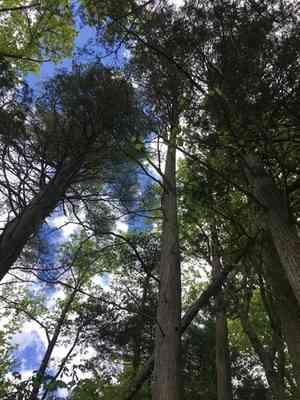
1
Offers excellent versatility across different soil compositions and moist environments.
2
It considerably boosts ecological diversity by sustaining numerous animal species.
3
Its inherent pest resilience makes it an easy-care option for cultivators.
What Are the Ecological Advantages of Atlantic white cedar?
Boosts Biological Diversity
A prominent characteristic of the Atlantic white cedar plant is its capacity to enrich the biological diversity of its surroundings. It serves as a vital habitat for numerous animal species, offering sustenance, refuge, and breeding locations. Various creatures, from birds to small mammals and pollinators, flourish in the presence of Atlantic white cedar, making it an essential component of ecological preservation initiatives.
Aids Wetland Restoration
The Atlantic white cedar is frequently selected for wetland restoration endeavors due to its adaptability to damp and waterlogged soils. Its root systems help stabilize wetland areas, preventing erosion and enhancing water quality by filtering contaminants. This makes it an excellent option for projects focused on maintaining or rejuvenating aquatic ecosystems.
How Does Atlantic white cedar Improve Your Garden?
Minimal Upkeep Requirements
Gardening enthusiasts will appreciate the low-maintenance nature of Atlantic white cedar. Thanks to its natural resistance to common pests and diseases, this plant reduces the necessity for chemical interventions. This not only simplifies gardening but also fosters a healthier, chemical-free environment.
Enhances Soil Quality
The Atlantic white cedar plant significantly contributes to soil health. Its deep root system can help improve soil structure, lessening compaction and promoting better water penetration. Furthermore, as leaves and other plant matter decompose, they enrich the soil with vital nutrients, encouraging more robust plant growth in adjacent areas.
What Are the Visual and Landscape Advantages?
Appealing Appearance
The Atlantic white cedar boasts a visually pleasing structure, making it an attractive addition to any landscape. Its dense, evergreen foliage provides year-round interest, enhancing the aesthetic appeal of gardens, parks, and natural spaces. Whether used as a focal point or integrated into larger plantings, its distinctive look can transform any area.
Flexible Landscaping Choices
Thanks to its adaptability, Atlantic white cedar can be utilized in various landscaping contexts. It thrives in both shaded and sunny locations and can be planted as a solitary specimen or in groups to create natural screens or hedges. This versatility makes it an excellent choice for diverse landscaping projects, from urban gardens to extensive natural environments.
How Does Atlantic white cedar Contribute to Environmental Sustainability?
Carbon Capture
One of the remarkable benefits of Atlantic white cedar is its capacity to sequester carbon. By absorbing CO2 from the atmosphere and storing it within its biomass, the plant plays a crucial role in mitigating the effects of climate change. This carbon sequestration capability highlights the importance of integrating Atlantic white cedar into broader environmental sustainability efforts.
Water Conservation
The Atlantic white cedar plant is recognized for its water-efficient characteristics. It can thrive in areas with fluctuating water availability, reducing the need for frequent irrigation. This resilience not only conserves water resources but also ensures the plant's survival during periods of drought, making it a sustainable choice for environmentally-conscious gardeners.
What Are the Benefits for Wildlife?
Habitat Provision
By incorporating Atlantic white cedar into your landscape, you create essential habitats for wildlife. Birds, insects, and small mammals depend on this plant for survival, finding food, protection, and nesting sites within its branches and surrounding environment. Encouraging wildlife with Atlantic white cedar supports broader biodiversity goals and promotes ecological balance.
Pollinator Support
Pollinators, such as bees and butterflies, are crucial for maintaining healthy ecosystems. The Atlantic white cedar plant provides vital resources for these species, supporting their populations and, consequently, the pollination of other plants. By fostering a thriving pollinator community, Atlantic white cedar indirectly boosts agricultural productivity and biodiversity.



