The Japanese flowering quince Plant Advantage: Maximizing Home and Office Appeal and Wellness
1
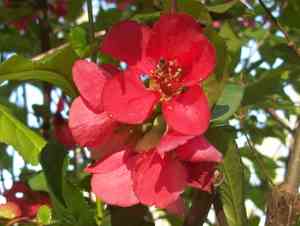
The Japanese flowering quince yields vivid blossoms capable of enlivening any outdoor space.
2
The fruit of the Japanese flowering quince is packed with nutrients and suitable for diverse culinary uses.
3
Japanese flowering quince functions as a superb ornamental shrub for creating hedges and defining boundaries.
What Makes Japanese flowering quince Unique?
Distinctive Flowers
A standout characteristic of Japanese flowering quince is its vivid blossoms, which appear in hues like red, orange, and pink. These blooms not only add color but also draw in pollinators such as bees and butterflies, fostering a thriving garden ecosystem.
Nutrient-Rich Fruits
Japanese flowering quince yields small, apple-like fruits abundant in vitamins and antioxidants. These fruits are versatile for culinary uses, from jellies and preserves to teas and natural remedies for boosting immunity.
How to Cultivate Japanese flowering quince Successfully?
Ideal Growing Conditions
For optimal growth, Japanese flowering quince needs well-drained soil and a sunny to partly shaded spot. It's a resilient plant that tolerates various temperatures, making it suitable for diverse climates. Consistent watering is vital, especially during dry periods, but avoiding waterlogged soil is crucial.
Pruning and Maintenance
Pruning is essential for maintaining the form and vitality of Japanese flowering quince. It's best to prune after the blooming season to encourage new growth and remove any dead or damaged branches. Regular upkeep helps prevent diseases and keeps the plant looking its best.
Practical Uses of Japanese flowering quince in Your Garden
Decorative Hedges and Borders
Japanese flowering quince is frequently used to create attractive hedges and borders. Its dense foliage and vibrant flowers make it an excellent choice for defining boundaries or creating focal points in your garden. Additionally, it can act as a natural screen, offering privacy without sacrificing beauty.
Attracting Wildlife
The flowers of Japanese flowering quince are not just visually appealing; they also attract various pollinators, enhancing your garden's biodiversity. Birds are also drawn to the plant for its fruits, making it a delightful addition for bird watchers.
Are There Any Challenges in Growing Japanese flowering quince?
Common Pests and Diseases
Like any plant, Japanese flowering quince can be vulnerable to certain pests and diseases. Aphids and caterpillars are common pests that may infest the plant, while fungal infections can also occur in overly damp conditions. Regular inspection and appropriate treatment can help manage these issues effectively.
Proper Soil Management
Ensuring that the soil remains well-drained is vital for the health of Japanese flowering quince. Soil that retains too much moisture can lead to root rot and other problems. Incorporating organic matter or compost can enhance soil quality and promote healthy growth.



