The Chinese redbud Plant Advantage: Maximizing Home and Office Appeal and Wellness
1
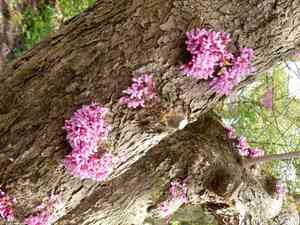
The Chinese redbud is recognized for its vivid pink blossoms, which can enhance the beauty of any outdoor space.
2
This species contributes to better soil conditions by stopping erosion and adding nutrients.
3
Chinese redbud offers sustenance and shelter, thereby aiding native fauna.
What Makes Chinese redbud Unique?
Visual Appeal
Chinese redbud is admired for its stunning clusters of pink flowers that bloom in early spring. These flowers not only add a splash of color to your garden but also serve as a beautiful backdrop for other plants. The heart-shaped leaves further add to its ornamental value, making it a focal point in any landscape.
Growth and Maintenance
Chinese redbud is relatively easy to grow and maintain. It thrives in well-drained soil and can tolerate both full sun and partial shade. The plant is drought-resistant once established, which makes it an excellent option for gardeners looking for low-maintenance yet visually appealing plants.
Environmental Benefits of Chinese redbud
Soil Health
One of the significant advantages of planting Chinese redbud is its positive impact on soil health. The plantâs root system is effective at preventing soil erosion, making it particularly beneficial for hilly or uneven terrains. Additionally, as Chinese redbud grows, it enriches the soil with organic matter, thereby improving its fertility and structure.
Wildlife Support
Chinese redbud plays a crucial role in supporting local wildlife. The flowers attract pollinators like bees and butterflies, which are essential for the ecosystem. Furthermore, the plant serves as a habitat and food source for various bird species, creating a mini-ecosystem in your garden.
How to Care for Chinese redbud in Your Garden
Planting Tips
When planting Chinese redbud, it's crucial to choose a location with well-drained soil and sufficient sunlight. Dig a hole twice the size of the root ball, place the plant, and fill it back with soil. Water thoroughly after planting to encourage root establishment.
Pruning and Maintenance
Pruning is essential to maintain the shape and health of Chinese redbud. The best time to prune is late winter or early spring before new growth begins. Remove any dead or diseased branches, and shape the plant to encourage a more robust structure. Additionally, applying mulch around the base can help retain moisture and keep the roots cool.
Why You Should Consider Chinese redbud for Landscaping
Low-Maintenance Beauty
Chinese redbud is perfect for gardeners searching for a plant that requires minimal upkeep. Its drought resistance and ability to thrive in various soil conditions make it a versatile choice for different landscaping needs. The plant can serve as a standalone specimen or be combined with other species to create a stunning garden display.
Ecological Contributions
Beyond its aesthetic appeal, Chinese redbud has substantial ecological benefits. It supports biodiversity by attracting and sustaining wildlife, improves soil health, and reduces erosion. Planting Chinese redbud is not just an investment in your garden's beauty but also in the environmental health of your locality.
Common Questions about Growing Chinese redbud
Is Chinese redbud Suitable for Small Gardens?
Absolutely! Chinese redbud can adapt to various garden sizes. Its moderate growth rate and manageable size make it ideal for small gardens and urban settings. The plant's compact form ensures that it wonât overwhelm a smaller space while still providing aesthetic and ecological benefits.
Can Chinese redbud Be Grown in Containers?
Yes, Chinese redbud can be successfully grown in large containers. Ensure the container has good drainage and use a high-quality potting mix. Regular watering is essential, especially during the initial growth period and hot weather. Container-grown Chinese redbud can be a beautiful addition to patios and balconies.



