The Chinese hackberry Plant Advantage: Maximizing Home and Office Appeal and Wellness
1
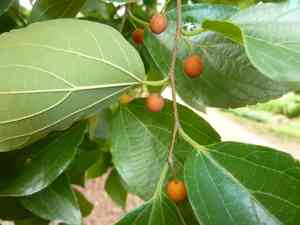
Draws in native fauna due to its fruit production.
2
Aids in securing the ground via its widespread root networks.
3
Serves as a superb source of shade with its thick foliage.
What Makes Chinese hackberry Special?
Ecological Benefits
A key advantage of Chinese hackberry is its environmental contribution. This plant effectively draws in various local fauna, including birds and insects, due to its abundant berry production. These berries serve as a vital food source, especially during scarce periods. Furthermore, its dense leaves provide an ideal habitat, offering refuge and nesting spots for diverse species.
Soil Stabilization
The extensive root system of Chinese hackberry plays a critical role in stabilizing soil. These roots help bind the earth, preventing erosion, and maintaining soil structure. This makes Chinese hackberry an excellent option for areas prone to soil erosion or where ground stability is a concern. Its roots also aid in boosting soil fertility by promoting nutrient cycling.
Shade and Aesthetic Appeal
Beyond its ecological advantages, Chinese hackberry is valued for its capacity to provide ample shade thanks to its thick, sprawling canopy. This makes it an ideal plant for creating cool, shaded areas in your garden or yard, offering a retreat from the sunâs harsh rays. Moreover, the appealing look of Chinese hackberry, with its vibrant green leaves and seasonal berries, adds visual interest and improves the overall beauty of any landscape.
Low Maintenance
Another notable advantage of Chinese hackberry is its minimal care requirements. Once established, it thrives with little attention, making it suitable for both beginner and experienced gardeners. Chinese hackberry is relatively drought-tolerant and resistant to many common pests and diseases, reducing the need for chemical interventions and making your gardening experience more sustainable.
How to Integrate Chinese hackberry into Your Garden?
Ideal Growing Conditions
For Chinese hackberry to thrive, it is crucial to provide the correct growing environment. This resilient plant prefers well-drained soil and can grow in various soil types, from sandy loam to clay. It flourishes in full sun to partial shade, making it adaptable enough for different garden settings. Ensure adequate spacing to accommodate its mature size and to encourage healthy growth.
Planting and Care Tips
When planting Chinese hackberry, dig a hole twice the width of the root ball and as deep as the root system. Position the plant carefully, backfill with soil, and water thoroughly to settle it. Mulching around the base helps retain moisture and regulate soil temperature. While Chinese hackberry is drought-tolerant, consistent watering during the initial establishment period ensures strong growth. Pruning is generally minimal, primarily to maintain desired shape and remove any damaged branches.
Why Choose Chinese hackberry for Urban Landscaping?
Urban Wildlife Refuges
In city environments, green spaces are vital for both human and animal well-being. Chinese hackberry contributes significantly by serving as a small sanctuary for urban wildlife. The berries attract birds and small mammals, while the foliage offers protection from the city bustle.
Improving Air Quality
Plants, including Chinese hackberry, play a crucial role in enhancing air quality. They absorb pollutants and release oxygen, making urban areas healthier. The presence of Chinese hackberry in city landscapes contributes to cleaner air, benefiting residents and the environment alike.
Common Challenges and Solutions
Managing Pests
Even though Chinese hackberry is relatively pest-resistant, occasional infestations can occur. Regularly monitoring your plants and encouraging natural predators can help manage pest issues organically. If necessary, use environmentally friendly pest control methods to address any significant problems.
Addressing Soil Compaction
In urban settings, compacted soil can impede root growth. To counter this, regularly aerate the soil around Chinese hackberry and incorporate organic matter to improve soil structure. This practice promotes better water infiltration and root development, ensuring the plant remains healthy and vigorous.
The Versatility of Chinese hackberry in Different Landscapes
Residential Gardens
In home gardens, Chinese hackberry serves multiple purposes, from providing shade to boosting biodiversity. Its low maintenance nature makes it perfect for busy homeowners who desire a beautiful yet undemanding plant.
Commercial Spaces
For business properties, Chinese hackberry offers aesthetic and environmental advantages. It can be used in parking lots, around office buildings, and in public parks to create attractive green spaces that also support local wildlife. Its robust nature ensures that it withstands the demands of urban life, providing long-term benefits with minimal upkeep.



